
Lloyd’s and slavery: addressing the past but what about the present?

Lloyd’s announcement this week that it is going invest £12m in a series of initiatives to support recruitment and career progression for black and minority ethnic staff, in a programme called Inclusive Futures, as part of its response to the market’s historic involvement in the slave trade has been met with a mixed response.
This follows extensive research by Black Beyond Data, funded by the Mellon Foundation, a project based at Johns Hopkins University in Maryland, USA, which was initiated just over three years ago when the Black Lives Matter movement cast new light on the involvement of London’s powerful financial institutions in financing, supporting and perpetuating the slave trade.
To no-one’s surprise it found that Lloyd’s played a significant role in that vile, brutal and inhumane trade.
In addition to £12m going into Inclusive Futures, Lloyd’s says US$50m (£40m) will be invested globally through the African Development Bank and Inter-American Development Bank focused on “regions affected by historical enslavement”. We await greater clarity on what that means.
Other initiatives include establishing a permanent memorial at Lloyd’s to remember the victims of transatlantic slavery, sponsoring a requiem by composer David Önaç to memorialise enslaved Africans, and inaugurating an annual lecture to be given by speakers on diversity and history – the Flint Lectures – named after the first black broker to work at Lloyd’s.
This is good as far as it goes.
It has run into predictable criticism from some campaigners who want institutions that benefitted from slavery to pay reparations directly to the descendants of slaves. This sounds laudable in principle but would be fraught with difficulties and could see a lot of money spent on administering what would inevitably be a highly complex scheme. The passage of time, coupled with the patchy historical records would mean that identifying the right people and fairly allocating money would be almost impossible.
Is £12m enough? I don’t know the answer to that. It seems a very modest sum considering the extent of its involvement in the slave trade and the wealth of the modern insurance market. I think the pressure to increase that investment and extend the scope of its Inclusive Futures project could well see it increase.
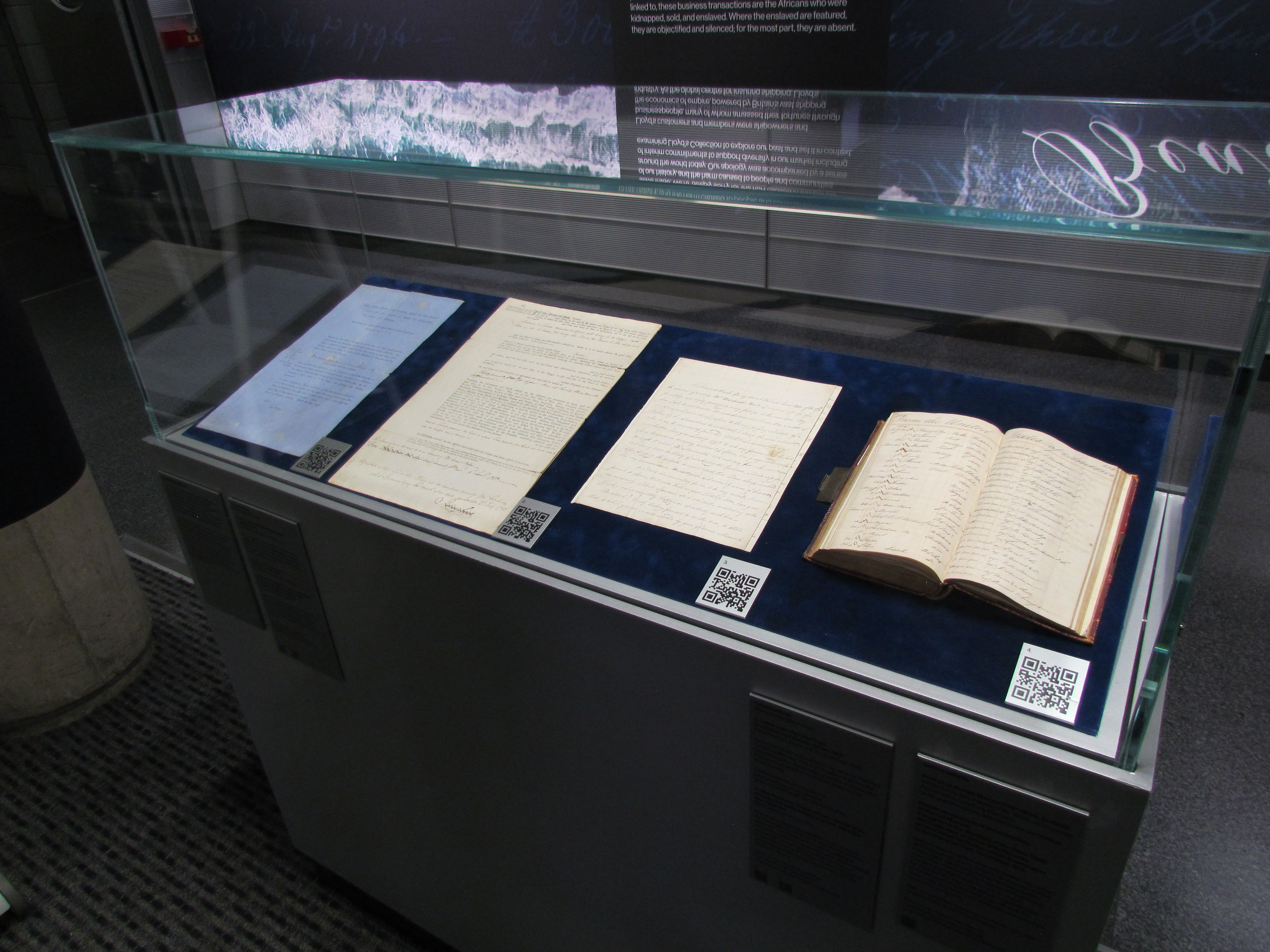
Lloyd’s has done a good job in laying out its past, much of which can be viewed in an online exhibition called Underwriting Souls. There is also a modest physical exhibition in the Lloyd’s building for those who work there to visit.
The big omission, and one that I have raised before, is the lack of any connection to slavery today.
Modern slavery is a serious problem. There are clear definitions of it and far too many examples around the world, the most serious, and probably the largest, being the Uyghurs in Xinjiang province in China.
It is all very well making an effort to acknowledge the part the London insurance market played in facilitating slavery 250 years ago but what if we are repeating that crime now? How will our descendants judge us if we stand by and do not ask serious questions about the way some of the businesses that are insured into Lloyd’s operate and their involvement in modern slavery?
They will judge us harshly, and rightly so.
 David Worsfold