
Lost a few Council seats? Let’s panic and change leader. Why?
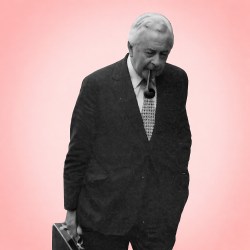
Now the run-up to the local elections in England and to the Scottish and Welsh Parliaments on 7 May is underway, the speculation about the potential impact on the leadership of the Conservative and Labour parties is already bubbling away.
It is tediously familiar to anyone who follows politics in this country. Lose a few council seats and reach for the panic button. This has been a major factor in both parties changing leader with whirlwind frequency over the last decade. This hasn’t made for better politics and certainly not better government.
As we approach polling day, question marks hang over both Kier Starmer and Kemi Badenoch. Certainly in the Labour Party, rivals are already jostling for position should the results come in at the more catastrophic end of the prediction spectrum. Badenoch will also be watching the results with one eye cast back over her shoulder in case her leadership is threatened, although with her main rival, Robert Jenrick, sailing off to join Reform she looks slightly more secure.
It wasn’t always like this.
In the late 1960s, the Labour government was deeply unpopular as inflation started ticking up, the pound had been devalued (then a big issue), new charges were introduced for prescriptions and immigration was becoming a toxic issue, especially after Tory MP Enoch Powell’s notorious ‘rivers of blood’ speech in April 1968.
The local election results that year were a disaster for Labour. They took a hammering across the country, including losing all their seats in Birmingham. 1969 was even worse with only two London boroughs – Southwark and Tower Hamlets – remaining safely in Labour hands and Labour in Newham relying on the casting vote of an unelected Alderman to stay in office.
Yet, Harold Wilson remained Prime Minister and led them into the 1970 General Election, which the Tories narrowly won. Still, Wilson did not go, instead leading Labour back into government in the two elections of 1974.
This doesn’t mean there wasn’t a wobble, at least in 1968.
The day after the 1968 elections, the proprietor of the Daily Mirror Cecil King waded in with a ferocious attack on Wilson, hung more on the peg of the financial crisis than poor election results but it prompted some serious head-scratching among the Labour elite, according to those prolific diarists of that era Richard Crossman and Tony Benn.
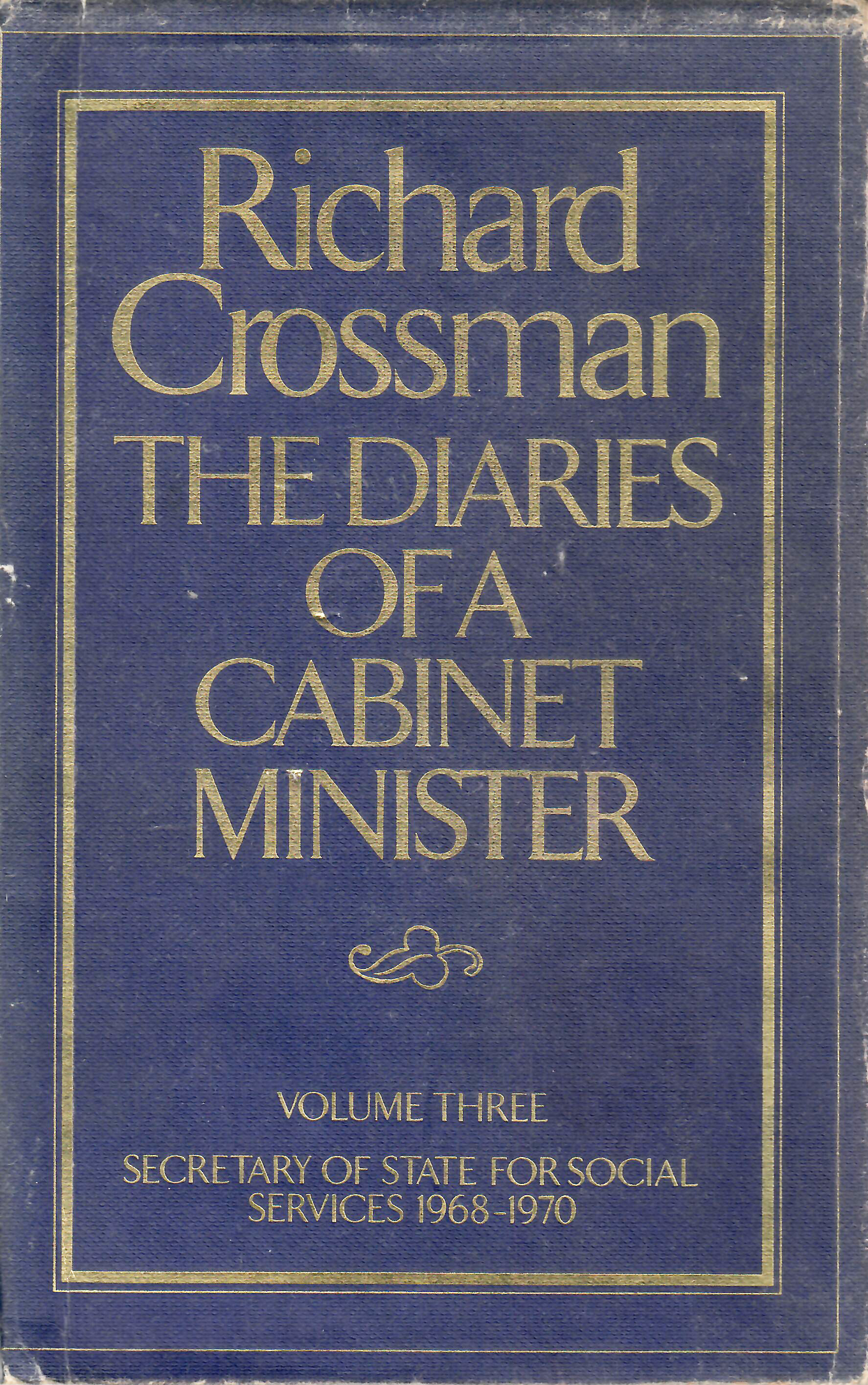
Writing on Saturday 11 May 1968, Crossman summed up what he saw as the position Wilson was now in:
I don’t dispute for a moment that Cecil King’s attack has temporarily strengthened Harold’s position a great deal. Nevertheless I have no doubt that this week has seen another move in the direction of a new leadership. I think the party will sooner or later insist that whether it’s going to win the next election or at least lose it honourably (which is the least we can hope) it will have a new leader, unless Harold can show a power of retiring into the background and letting leadership headed by Roy [Jenkins] and Barbara [Castle] give the inspiration which he can’t give. I think all that will happen but it can’t happen when our press lords start ordering the party about.”
That proved a brief wobble as no leadership challenge emerged, not least because the most obvious candidate, Roy Jenkins, was considered by many to be too aloof and patrician and did not allow himself to be manoeuvred into a position where he could have been seen as a viable alternative.
With the results the following May just as bad, leaving Labour in control of just 28 out of 342 borough councils in England and Wales, one might expect to find a rising tide of discontent with Wilson’s leadership. If this May looks anything like that for Labour, Starmer will be struggling to keep his job.
Nothing of the sort happened in 1969.
The day after the local elections, Labour held an eight hour meeting of its then all-powerful National Executive Committee at 10 Downing Street. Neither Crossman or Benn record any serious criticism of Wilson, although there were plenty of grumbles about public expenditure cuts and increased prescription and dental charges.
Starmer and Badenoch might find themselves wishing for a return to those more policy- rather than personality-focused days after 7 May.
Perhaps we could all do with a little more stability at the top of our political parties.
• Wilson chose his own departure, surprising everyone by standing down as Prime Minister in March 1976, to be succeeded by Jim Callaghan
 David Worsfold