
Why the House of Lords Needs Urgent Reforms
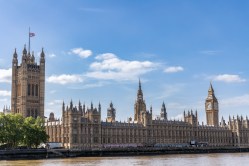
More members of the House of Lords – 38 more to be precise – were named by Prime Minister Kier Starmer just before Christmas. British politics takes this enormous patronage in its stride, but it shouldn’t.
The House of Lords is an affront to democracy. It has no place in any democratic institution as we move into the second quarter of the 21st century. Adding to its 800 plus unelected members has little justification beyond short-term political expediency. Labour’s pleas – 30 of the new peers are Labour – that it needs to balance the years of the Conservatives stuffing the House of Lords with their supporters is a very weak argument, especially when it is not accompanied by a plan for meaningful reform.
Labour will point to its commitment to bring to an end to most outrageous anachronism by expelling the remaining 92 hereditary peers sometime next year, but that barely touches to problem of the huge democratic deficit of having an unelected second chamber.
There is talk of bringing in a compulsory retirement age of 80 but that would remove no more than another 15-20 members, still leaving it with over 730 active peers.
We need to go further, faster.
Clearly, in the long term a complex modern democracy needs a elected second chamber, although whether one is required at all should be the starting point for any debate. There are many views on how reform might be achieved and there should be a thorough, deliberative and inclusive process so that we emerge with a solution that will enhance our democratic processes and constitution – perhaps it might even act as a catalyst for putting our constitution in writing.
In the meantime, we need to find a way of cutting the House of Lords down to size, especially now it doesn’t have the burden of scrutinising European legislation since we left the European Union. Removing the 25 Lords Spiritual – representative of only one denomination of one religion – would be another step in the right direction but would still leave it with over 700 members, larger than the democratically elected House of Commons.
My solution to cut it down to size sooner would be to impose a limit on how long people can serve.
We should aim for a maximum ten year term for all peers. This could be introduced gradually, perhaps starting with all those who have already served, say, 15 years and reducing that year-by-year until reaching a maximum term of ten years. By the time we have reached that – which would be just after the end of this Parliament if it goes its full term – we might have elected a government with a mandate to complete the job with a plan for a new, democratically elected second chamber. We can only hope.
Change its name now
One reform that should be immediate is a change of name. How have we got this far into the 21st century with a gender-specific name for one of our main Parliamentary institutions? It should be changed to the House of Peers immediately. No feeble excuses about tradition, history, the need to change a few signs acceptable. Get on with it.
 David Worsfold
David,
This is a wonderful heartfelt piece. While being an American citizen of British decent I feel your ‘pain’. My country is in need of repair as well – look at the ages of our elected representatives! One of Congresswoman was wheeled into the chamber to vote and died just days later. Another was just ‘found’ living in a nursing home in Texas – she reportedly had been absent from ‘work’ for months. We are living in crazy times – we must all gather our wits and do what is best for our collective societies and future generations. Resting on past laurels and relying on deeds done long ago is not a healthy prescription for mending our ills.
Alex
LikeLike