Tanzania 2012: Visiting the schools Incisive Media was supporting through EdUKaid
In 2012 I was fortunate to be able to join EdUKaid‘s founder Tim Varney and his marketing manager Gemma Boardman on a trip to rural southern Tanzania to see some of the schools the then fledging Incisive Media Foundation had helped. I wrote a daily blog so my colleagues back home could get a flavour of the enormous benefit our work in raising money for the charity was delivering.
Day 1 Sunday 29 April 2012
There is something strangely familiar about Dar es Salaam as soon as you step off the plane: the weather. It is dull, overcast and raining. Admittedly, it is about 20* warmer than the UK which is some consolation.
Stage one of the journey to Mikindani – the flight to Dar es Salaam was reasonably OK despite the late arrival of dinner on the plane due some pretty bumpy turbulence as we battled our way through the storms covering most of Europe. Negotiating our way through visa application and passport control was a chaotic experience as the complete lack of any queuing system coupled with having your name shouted out from any one of six windows against the background of flight announcements guaranteed confusion. I await the joys of Heathrow Terminal 5 on my return.
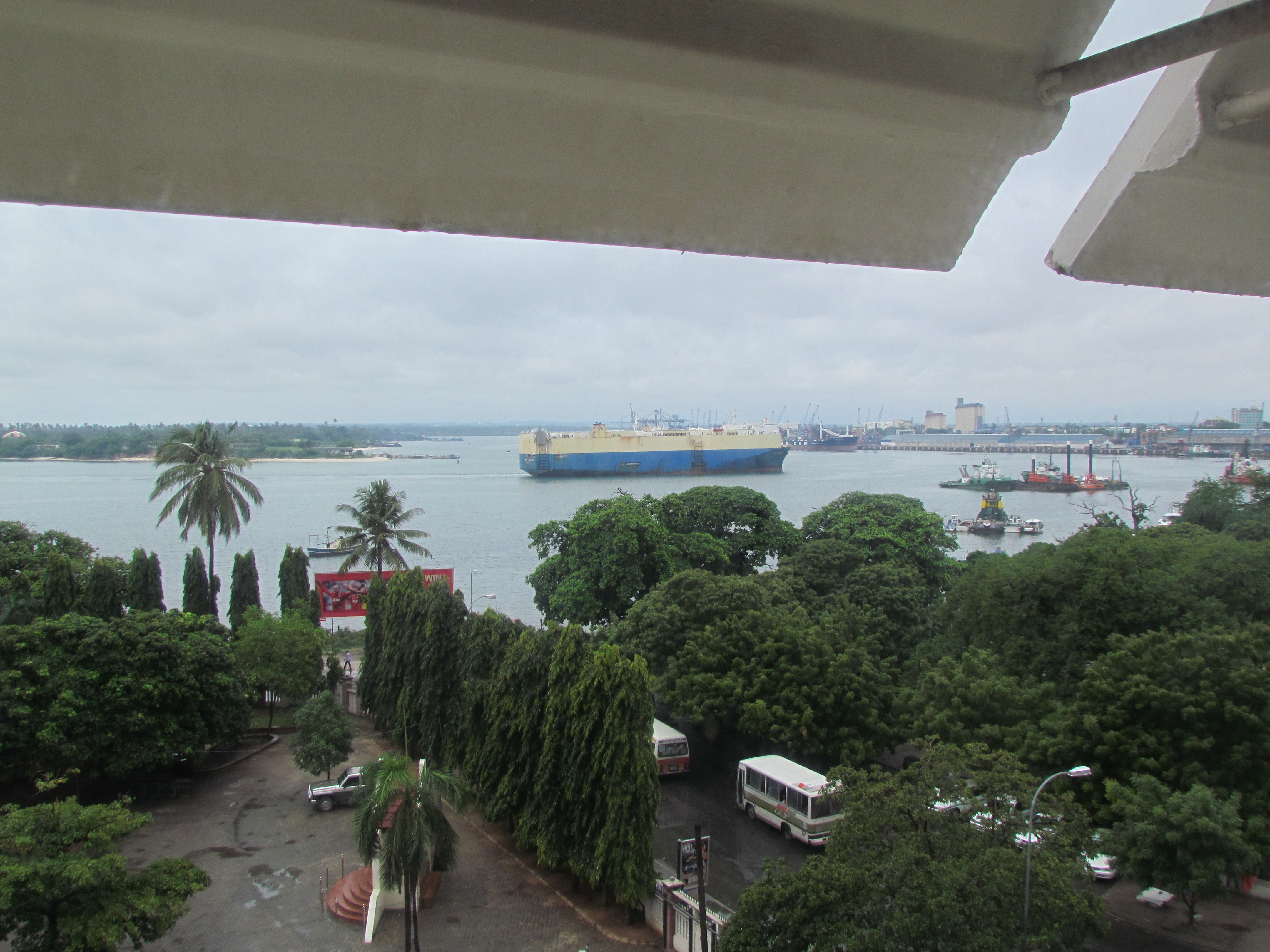
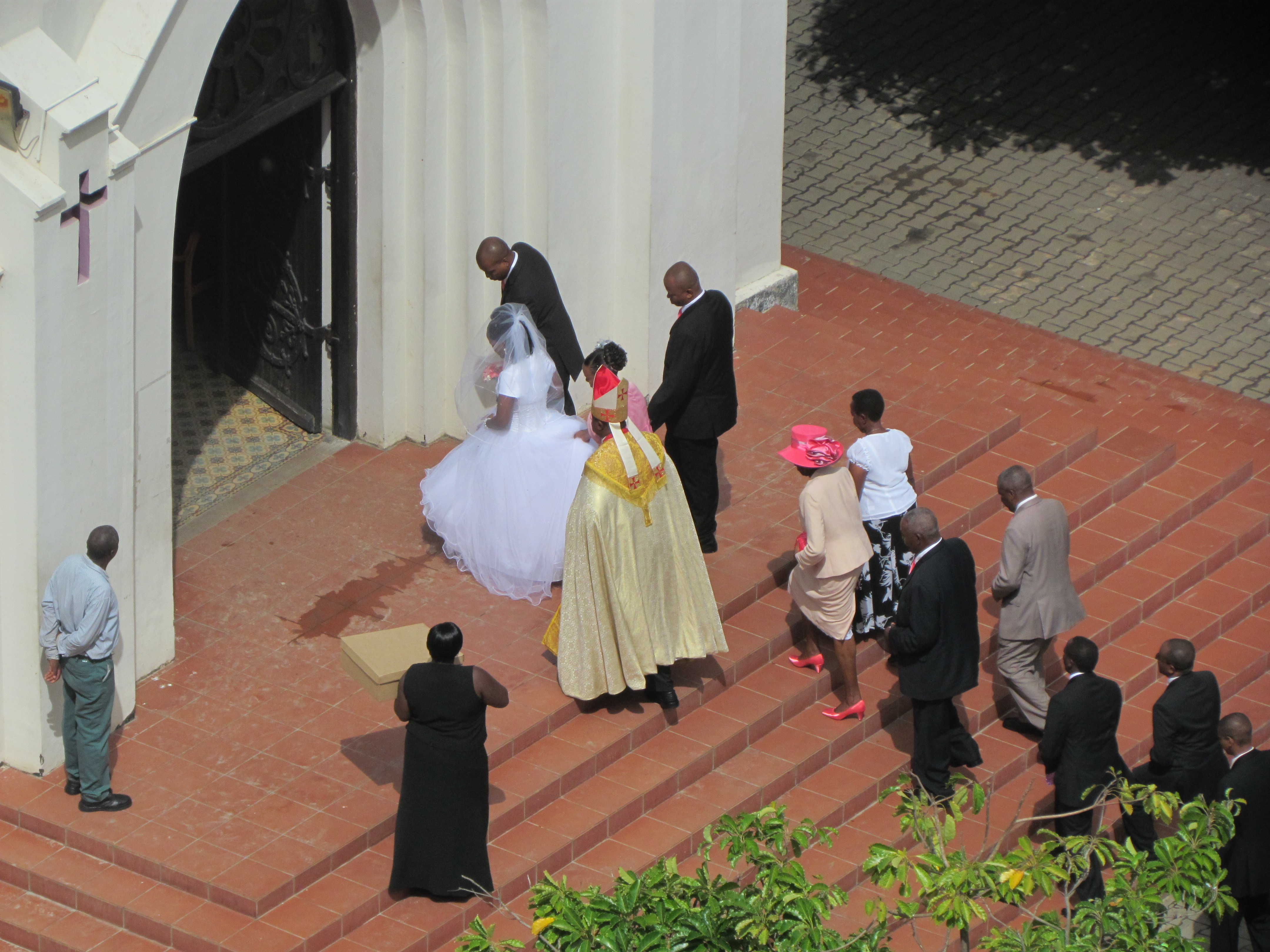
The pleasure at finding I had a room with a view over the harbour at the New Africa Hotel in central Dar was slightly tempered by the wall-to-wall services at the old Lutheran church just outside. These were loud and periodically required everyone to come outside and sing. The even managed to squeeze in a wedding procession led by a brass band! Not quite what was required when trying to catch up on lost sleep.
My mood was hugely improved, however, by the news that Leyton Orient, despite losing at Hartlepool, had escaped relegation from League One.
Day 2 Monday 30 April
It was up an out at 5.30am to catch a Precision Air flight to Mtwara. It was absolutely lashing it down as we left the hotel but cleared up by the time plane took off which meant a relatively smooth 1 hour 10 minute flight.
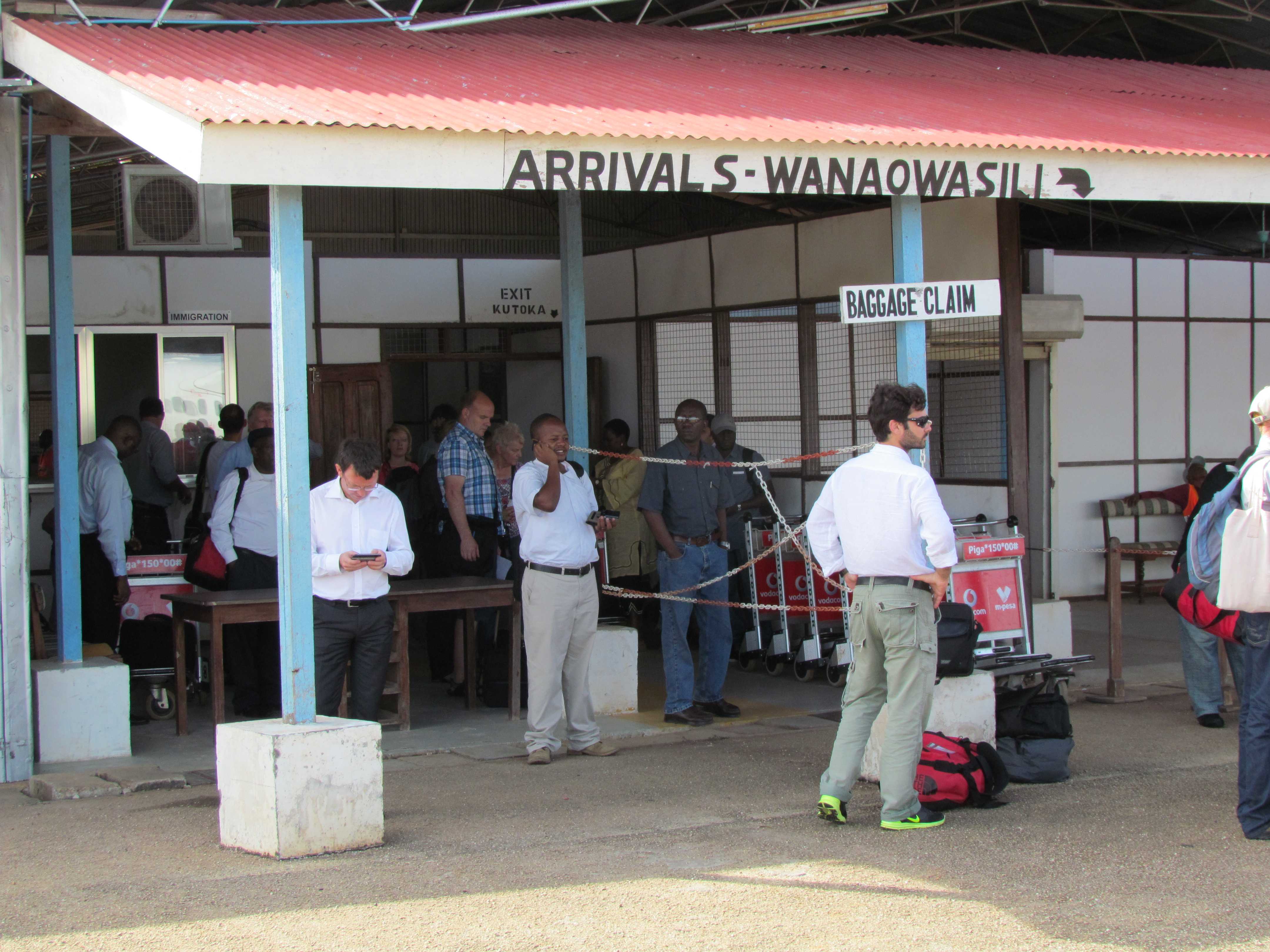
The airport at Mtwara is basic, to say the least. The shed our plane pulled up outside was grandly described as Terminal 2: there was no other building in sight so quite what happened to terminal 1 is anyone’s guess. Our many bags came the few yards from the plane on a trolly and were piled upon a bare wooden table beside a hand painted sign saying Baggage Claim.
The advantage of coming here with Tim Varney is that he knows the ropes and seems to have people on hand everywhere to collect us. Here we were met by Dixon who works at the only hotel in Mikindani who drove us the 20 minutes from Mtwara to where we are staying at EdUKaid House.
This drive is where the real culture shock starts to kick in. If you have been to cities in poorer parts of the world there is nothing to particularly distinguish Dar es Salaam or shock a western visitor. Down here it is very different. The road we drove down was well made but lined with a wide variety of small buildings, the majority made of mud with thatch roofs. We saw only one other car on the journey as the majority people travelling between Mtwara and Mikindani were doing so on foot or bicycle with the occasional moped.
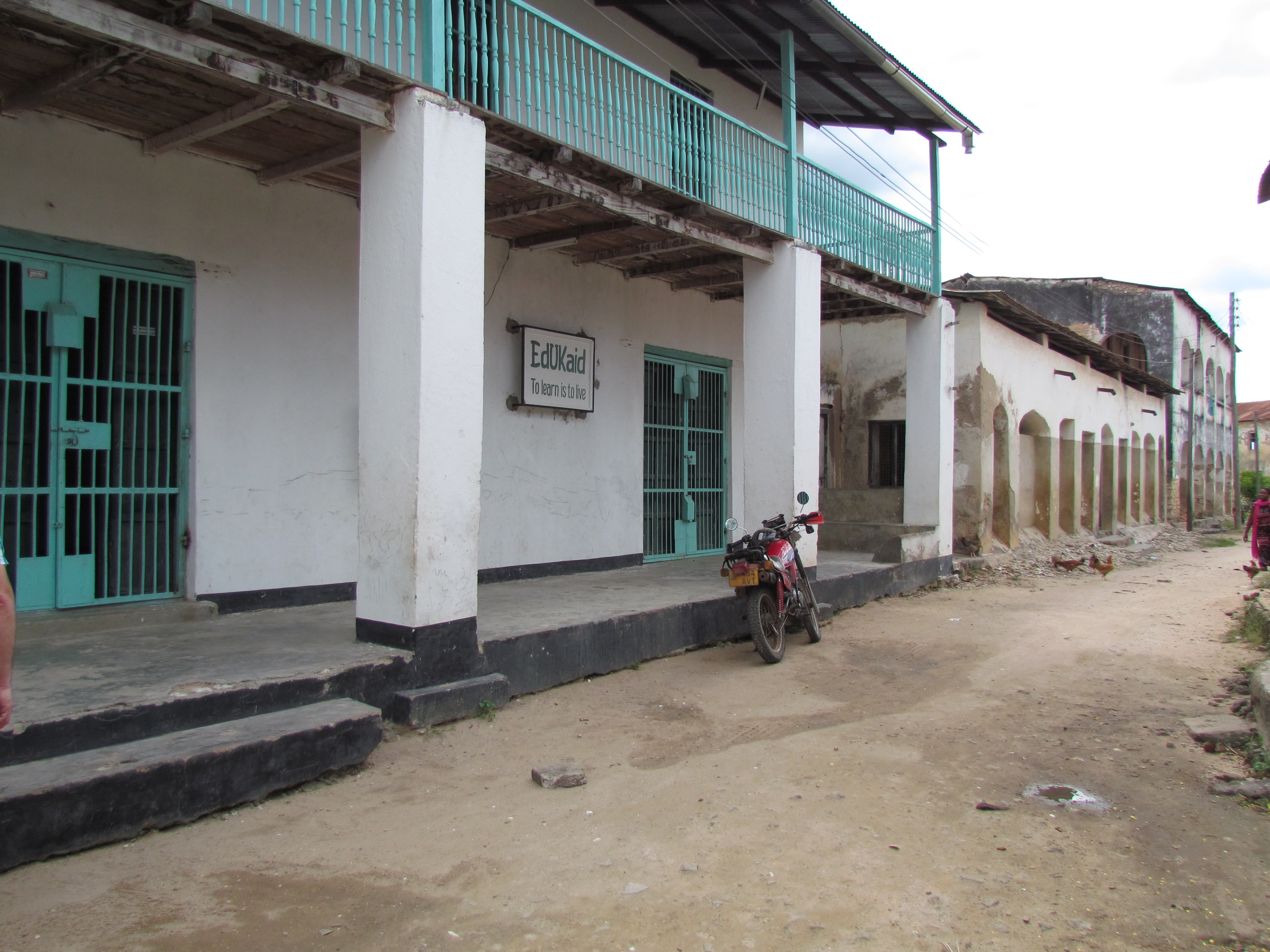
EdUkaid House is a million miles from the luxury of the New Africa Hotel in Dar. It. Is located in a cramped, unmade street which seems to be inhabited by more chickens than people. The building houses EdUKaid’s local office staffed by the smiling, friendly Ali and Jaylani and the guest rooms. This is where I am sitting as I type this at a school desk in a room that otherwise just has a bed (with mosquito net) and a wardrobe. The windows have no glass, just netting, the walls are whitewashed and the floor is bare. This is home for the next five days.
We’ll be heading off to the only hotel in town – in an old German fort – for a late lunch and planning meeting soon. It is also the only place in town that has wi-fi so hopefully you’ll soon be reading this.
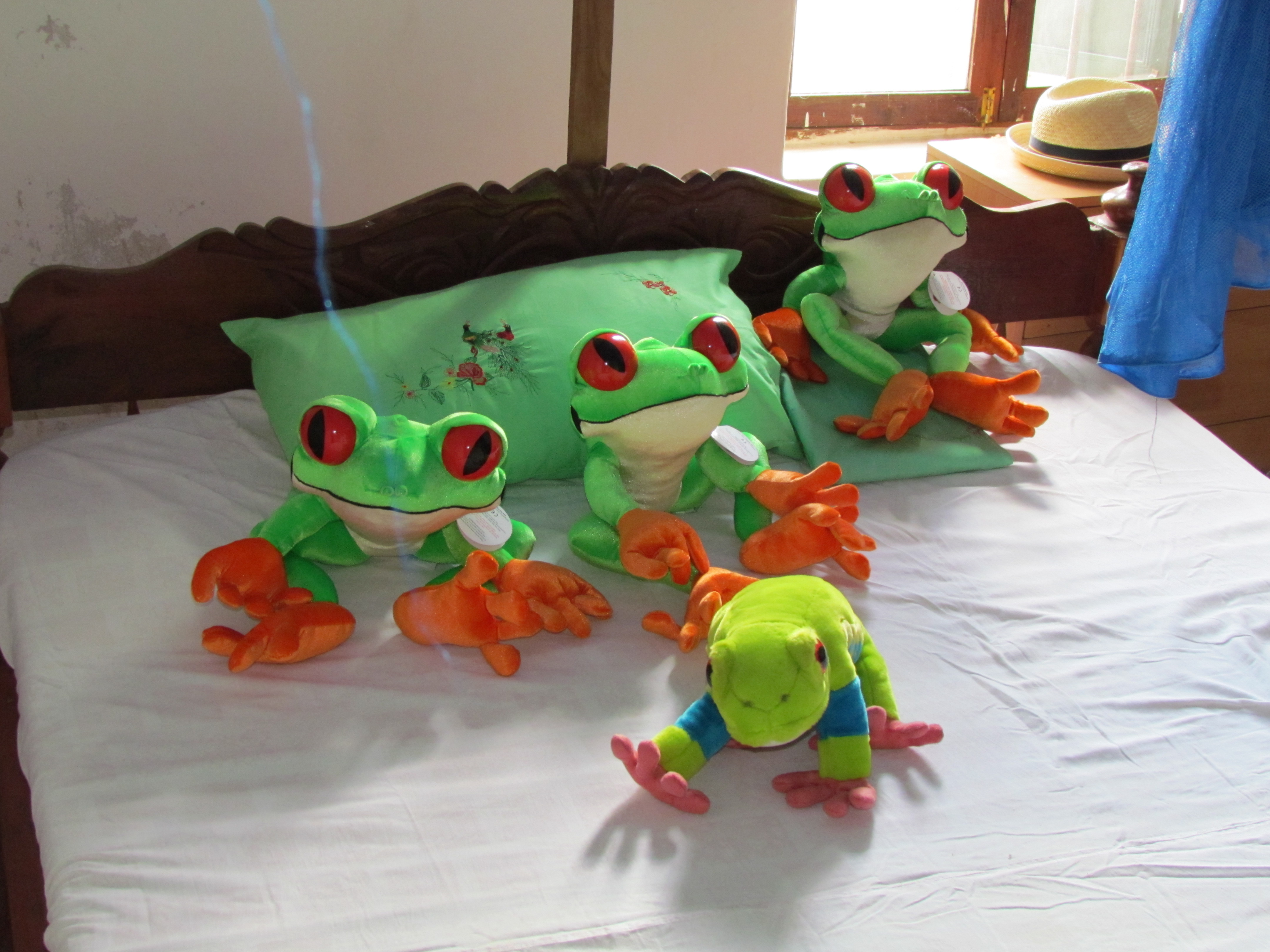
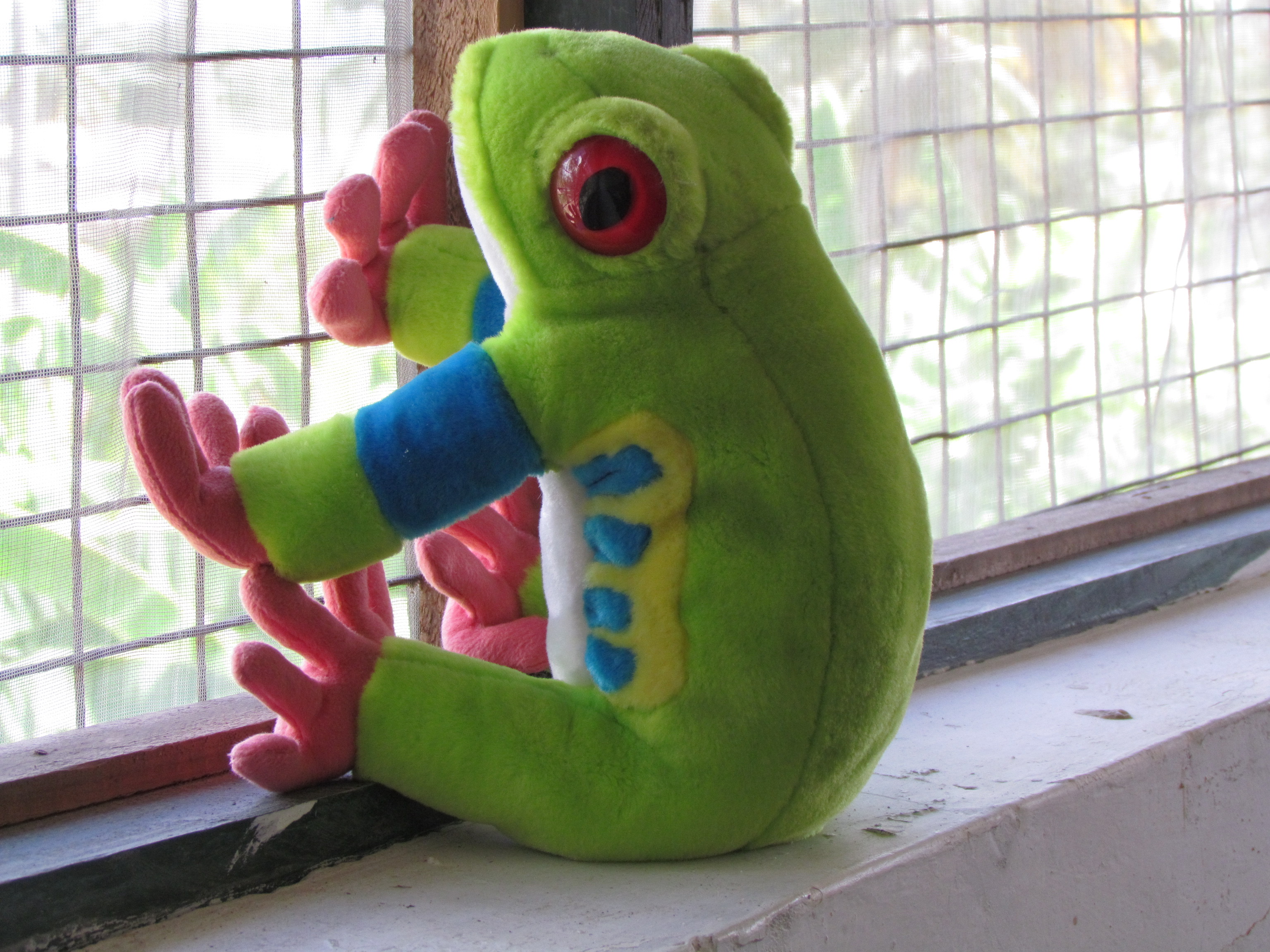
P.S. The frogs survived the journey and have made themselves at home. I had a brief scare with them at Heathrow when the police drug sniffer dog made straight for the bag they were in and gave it the once-over. Fortunately, a quick wag of the tail and he was off looking for a more likely drug smuggler.
Day 3 Tuesday 1 May
Elimu ni Uhai – Education is Life – is the motto of the primary school at Msijute we visited today, proudly quoted by the head teacher, Scholastica Millanzi. It succinctly sums up the belief that drives EdUKaid’s mission here in southern Tanzania. It is about giving children a vital life chance that would otherwise be denied them. Today was an insight into the practical challenges of delivering that chance.
But first to pick up where I left off yesterday.
After a pleasant evening out at one of only two places you can eat and get a beer came the challenge of sleeping amid the heat, humidity and noise of an African village. I managed more sleep than I feared although I finally gave up at 5.30am when the nearby mosque sounded the first call to prayer. I am all for abit of prayer but not at 5.30am every morning.
We had to cope with a lack of running water at EdUKaid House. This apparently went off sometime Monday evening and the 250 litre tank that serves the building where four of us are staying was empty by this morning. We raided the fridge for bottled water to wash and brush our teeth in. There is no hot water here at any time anyway.
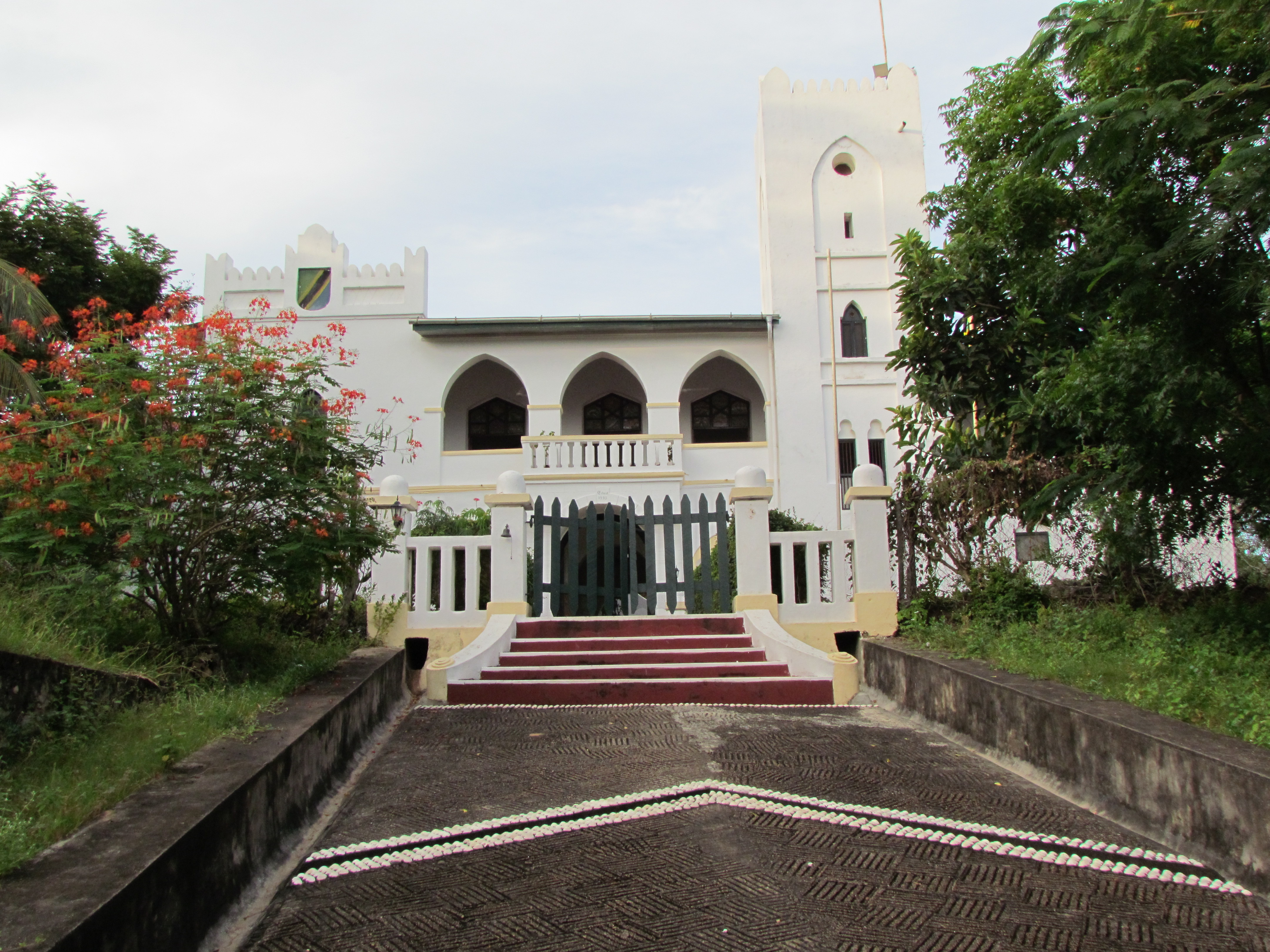
It was an early start and by 7am we were enjoying breakfast at the Old Boma Hotel, originally a German fort built in 1895 and the only place in town with Internet connectivity. With a grand total of seven bedrooms it is also the only place that caters for western tourists although it rarely has any guests. Just as well it is run on a not-for-profit basis by a charity called Trade Aid which seems to have a single wealthy benefactor. There is another hostel that accommodates backpackers but that, too, rarely has any guests as this corner of Tanzania is well and truly off any beaten track.
We spent the morning visiting schools, one at Msijute where EdUKaid has embarked on its most ambitious building project to date and another at remote Naumbu that they are hoping to start work on towards the end of the year with support from a new corporate funder. There we saw the consequences of the Tanzanian government’s rigid funding policy. When it allocates a building budget to a school it does so without any reference to the head teacher – so doesn’t know the school’s real needs – and fixes a budget for the project which rarely allows for it to be completed. We saw this at Naumbu where they have a partially completed classroom that they didn’t really need: they really wanted a new teacher’s house as one of the three they have is just a mud hut.
The roads here are quite an experience too. There are a couple of well made roads going out of either end of Mikindani but turn off those and it gets really rough. We travelled in the people carrier from the hotel as the Land Rover usually used by EdUKaid is out of action. This vehicle frequently struggled with the rough tracks to Naumbu and required all of Dixon’s driving skills ensure we arrived without having to get out and push.
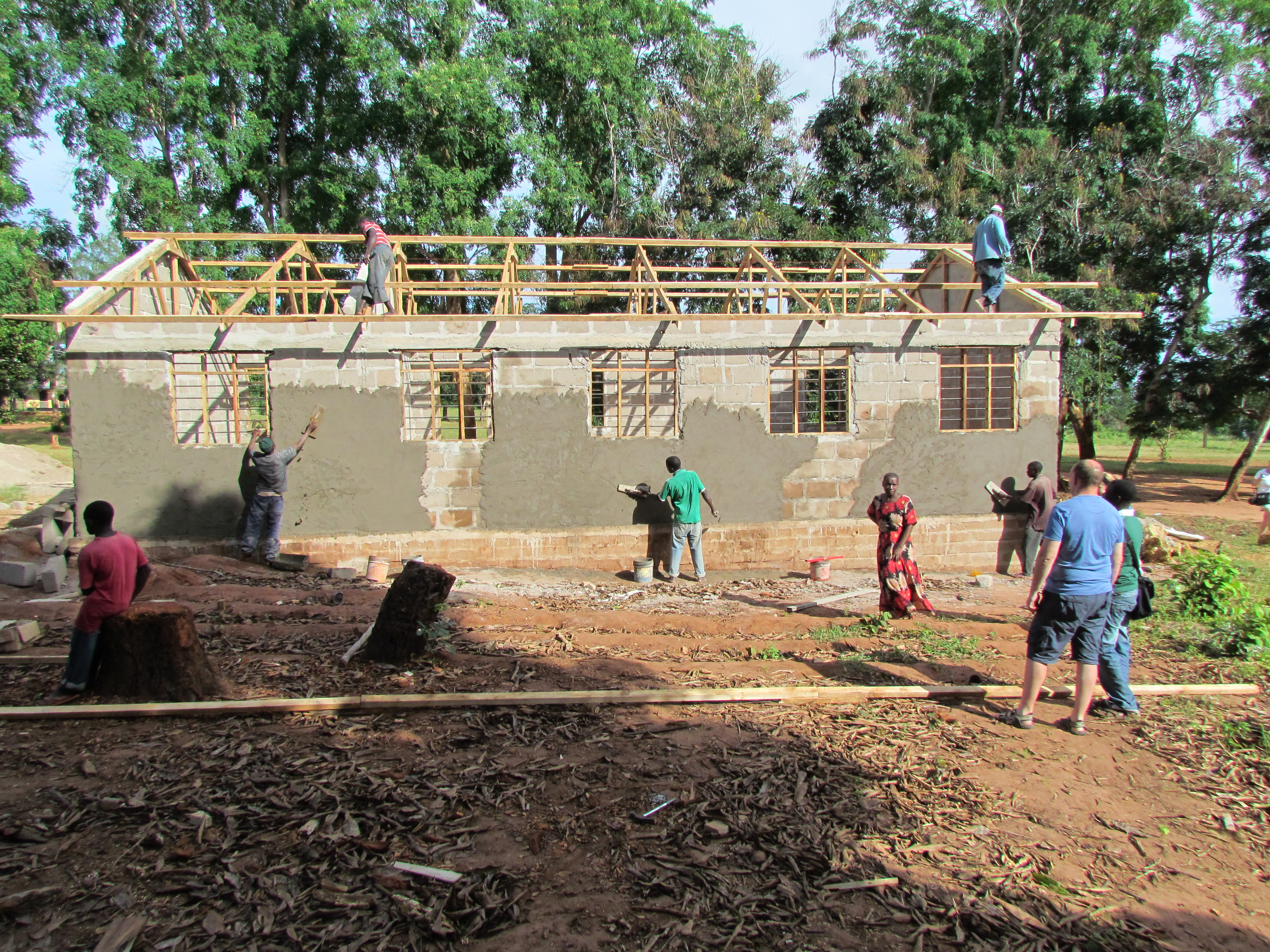
The value of EdUKaid’s work beyond just education was also amply demonstrated today. At Msijute a complete new classroom block is being constructed and a team of craftsmen and labourers is living on site – 18 are sharing an old classroom as accommodation. One of EdUKaid’s strengths is that it uses local manpower and resources for its projects and just how important this is to the people employed was very clear from our visit. Asked by Tim Varney, through Ali, what they wanted from EdUKaid and to a man they said another project when Msijute is finished soon. That project will be the one we are funding at Namgogoli which we will be visiting tomorrow.
Also on the agenda tomorrow is the first school we helped at Singino, with the following day including Imekuwa where the work we funded has recently been completed. Hopefully, the Land Rover will be back in action as visits to another couple of farther flung schools are also planned.
We returned to EdUKaid House in the afternoon to find that the water was back on. The rooftop tank was full and warming nicely in the sun. By late afternoon it was pouring with rain, destroying the fragile Internet connection and mobile reception and totally isolating us from the rest of the world.
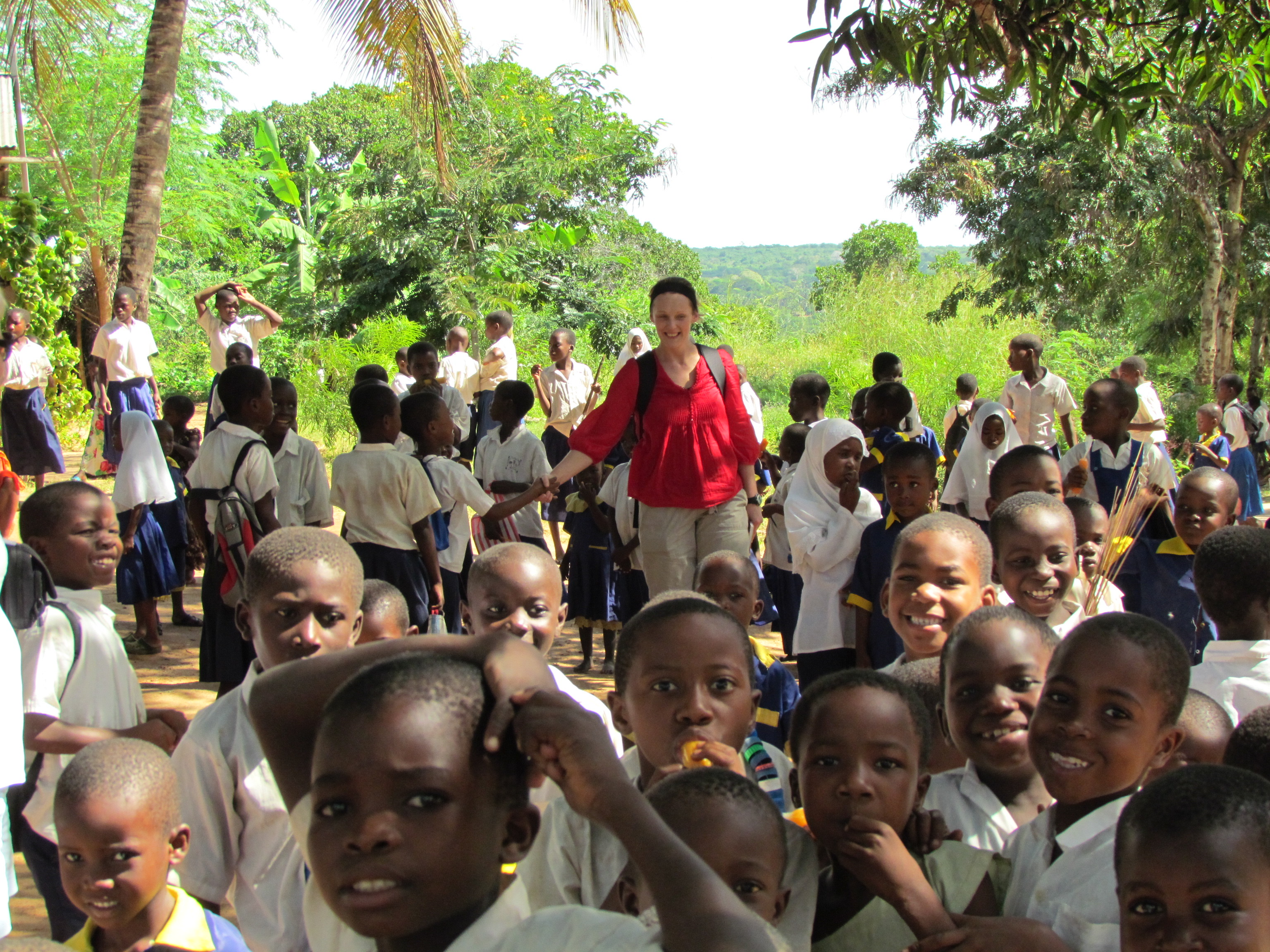
One of the most striking features of being here is the friendliness of the people. It seems that everywhere you go people shout out greetings – Jambo, Mambo and Karibu are the most common. This quickly encourages a visitor to master a few basic words of Swahili so you can respond in kind.
Day 4 Wednesday 2 May
This has been the toughest but most heartening day so far. Tough because we spent over five hours on the road visiting the most remote schools EdUKaid helps, including Namgagoli which is Incisive Media’s next project here. Heartening because we visited two schools where EdUKaid’s help has already made an impact. Visiting the school at Imekuwa which has benefited from the money we have raised and another at Mgao showed what a transformational impact their work is having.
It was another early start with a 7.30am pick up from EdUkaid House leaving no time for a sortie to the Old Boma for breakfast. This left Tim Varney totally perplexed at the shock to three caffeine addicts when it dawned on us that this meant no prospect of a cup of coffee until lunchtime at the earliest. I have agreed with EdUKaid’s development manager Gemma Salt that a modest investment in a kettle and some coffee at EdUKaid House is urgently required. Tim has yet to be impressed with the importance of this proposal but we are working on him.
So, no coffee, no breakfast, we jumped into a substantial four wheel drive vehicle for the long drive to Namgagoli. This was the tough bit as the tracks were so rough that we were constantly thrown about, never getting above 20mph. At times, some of the tracks we were following appeared to be little more than footpaths, showing just how little motorised traffic travels out to places like Namgagoli.
The school there has over 600 primary age pupils with another 60 in the pre-primary classes, the latter usually receiving no government funding. The buildings are very basic, all in need of repair and many requiring larger windows. It seems very almost bizarre that somewhere which has no electricity has classrooms with small, high windows making the rooms very dark. This was an especially obvious a problem today as we have had an almost constant downpour with a dark, threatening overcast sky.
Many of the desks need replacing and none of the classrooms had a desk for the teacher or any cupboards for books or equipment. This is very much a typical set up in a primary school here. The lack of proper desks and chairs for the teachers means they have to stand for the entire time they are teaching and that they have to leave the classes unsupervised when they need to mark any work. Unsupervised classes are surprisingly common: even more surprising is how well behaved the children are when there is no teacher in the room.
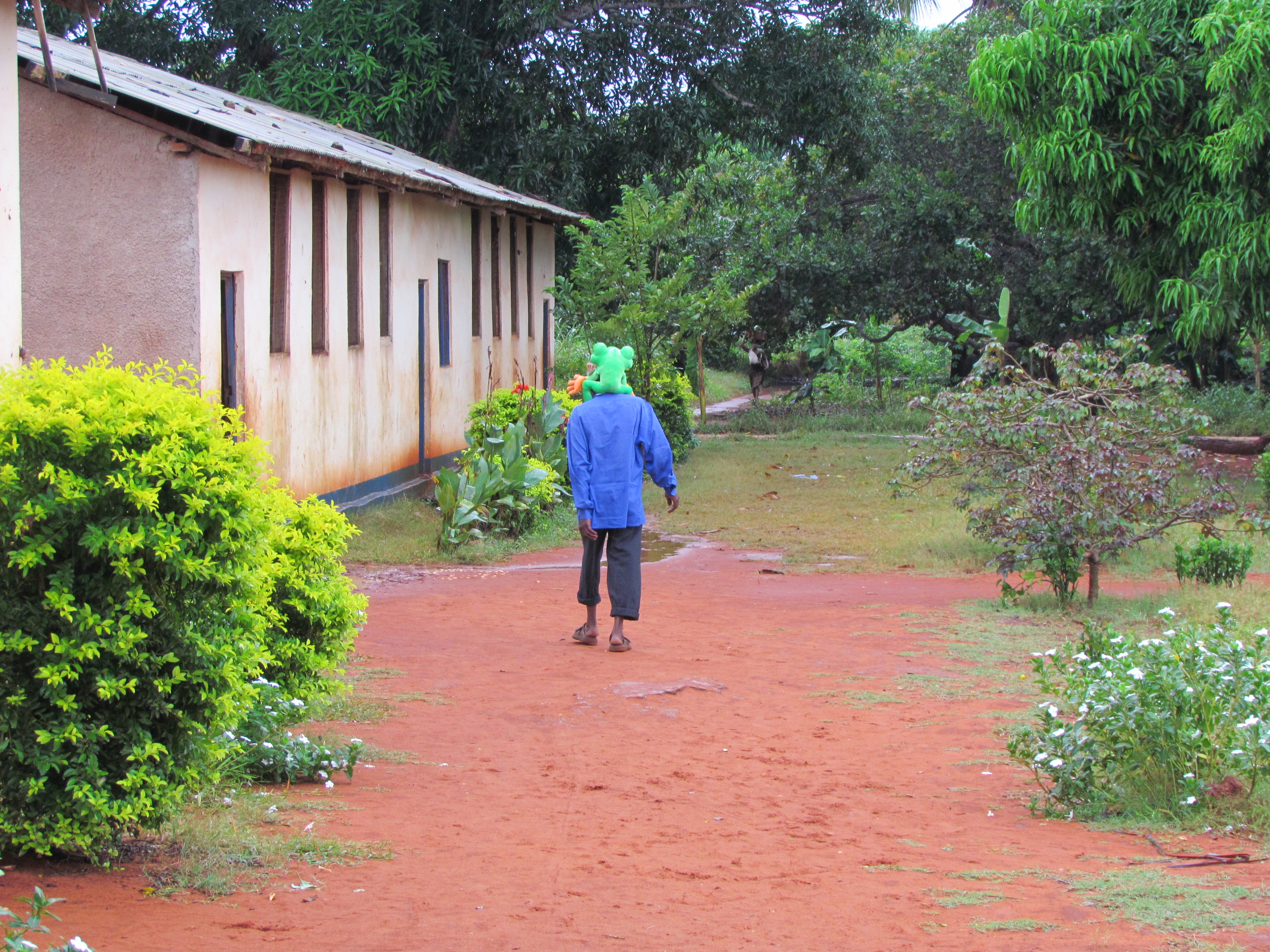
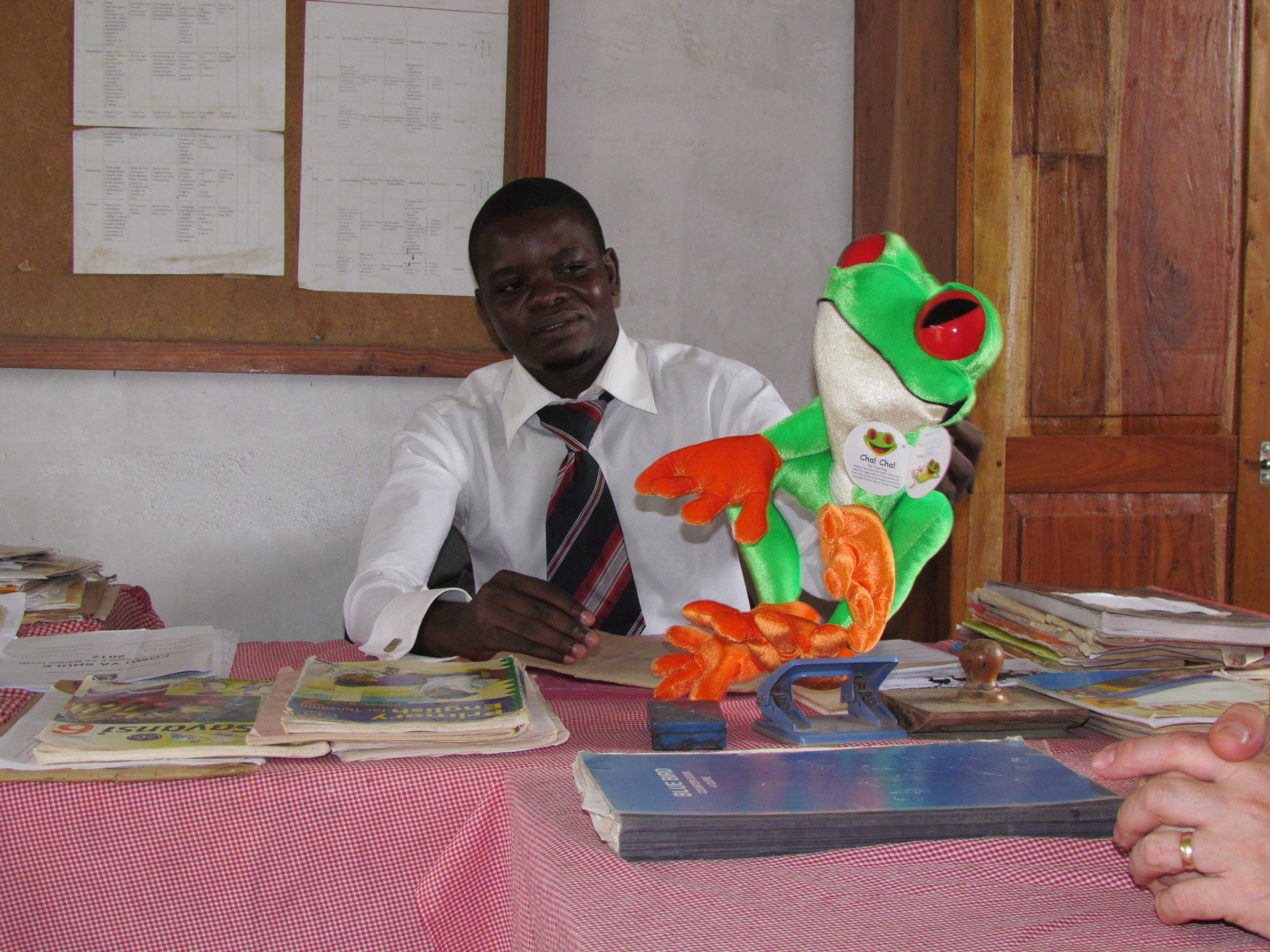
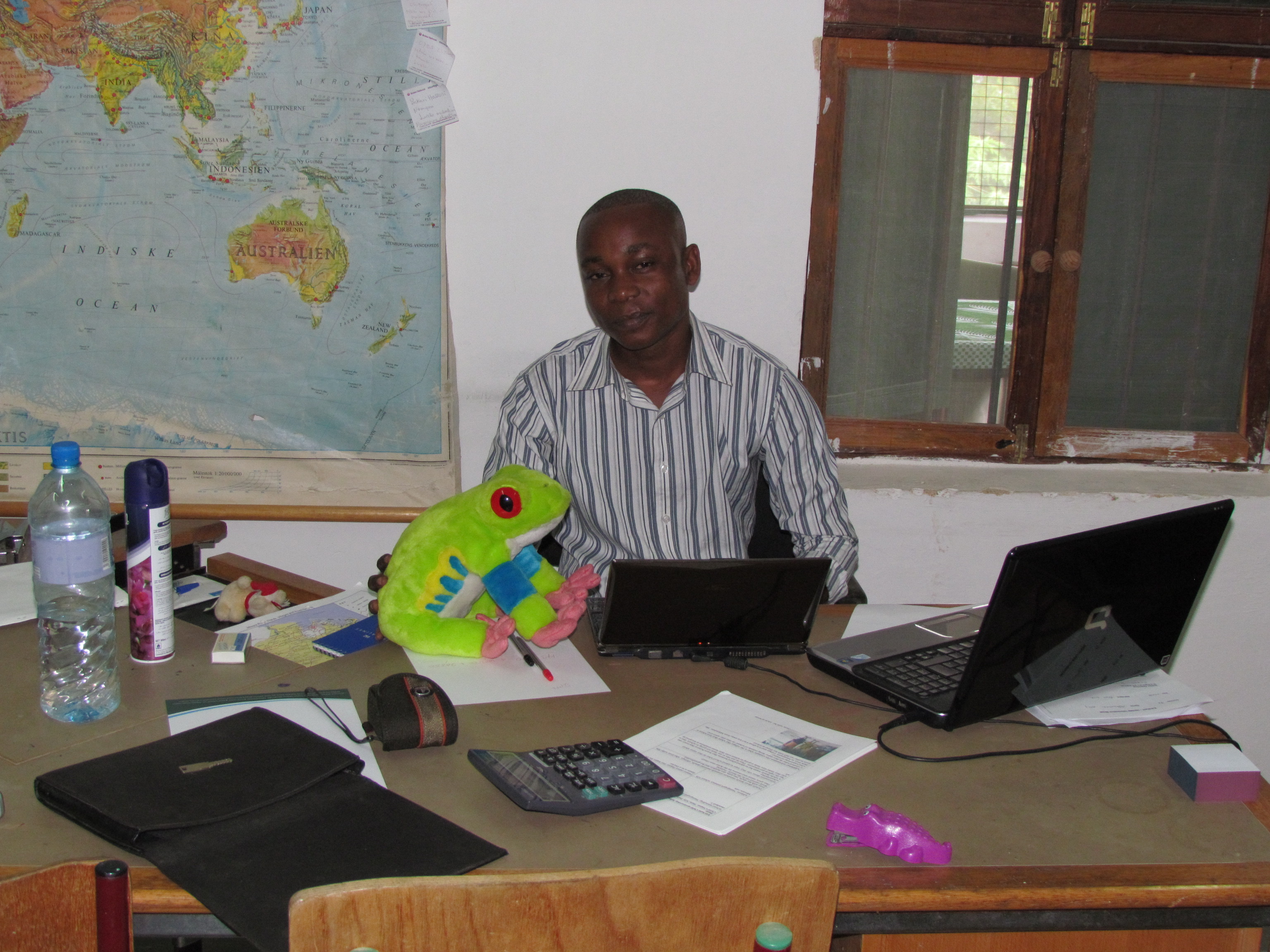
Our first frog was delivered to Namgagoli and was an instant hit with the children, taken from class to class by the deputy head. By the time we left it was being used as a teaching aid in an English class. I know many people thought I was daft bringing frogs out here but to see the look on the children’s faces – and the teacher’s – dispelled any doubts I may have had. When it was explained to the staff that our company logo contains a frog and that the frogs were therefore a gift to mark our association with their school they were clearly as thrilled as they were grateful. Clearly, should we be able to send other members of staff to Tanzania a suitcase full of frogs is essential.
To go on from Namgagoli to Imekuwa and Mgao was the most heartening part of the trip so far.
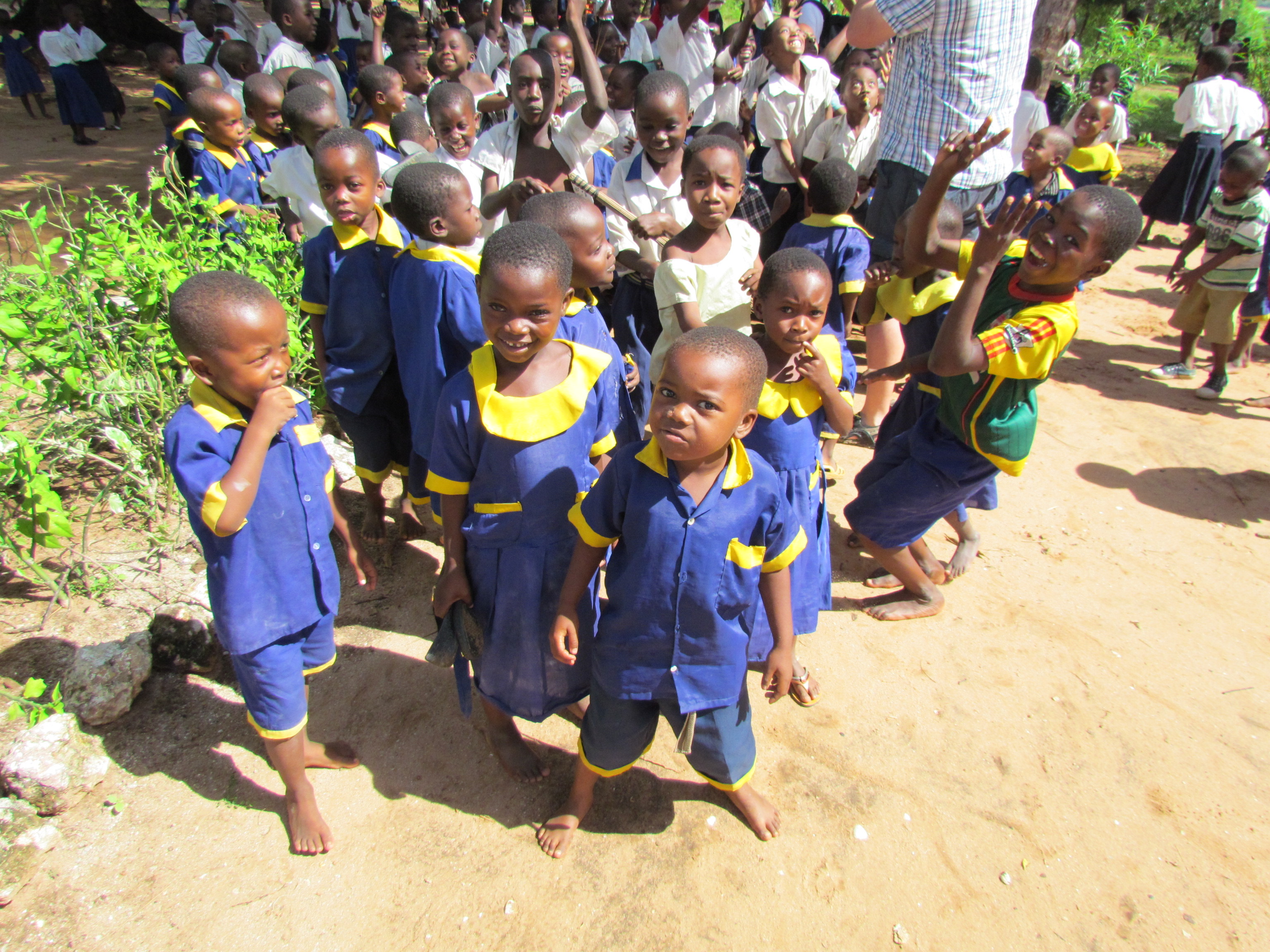
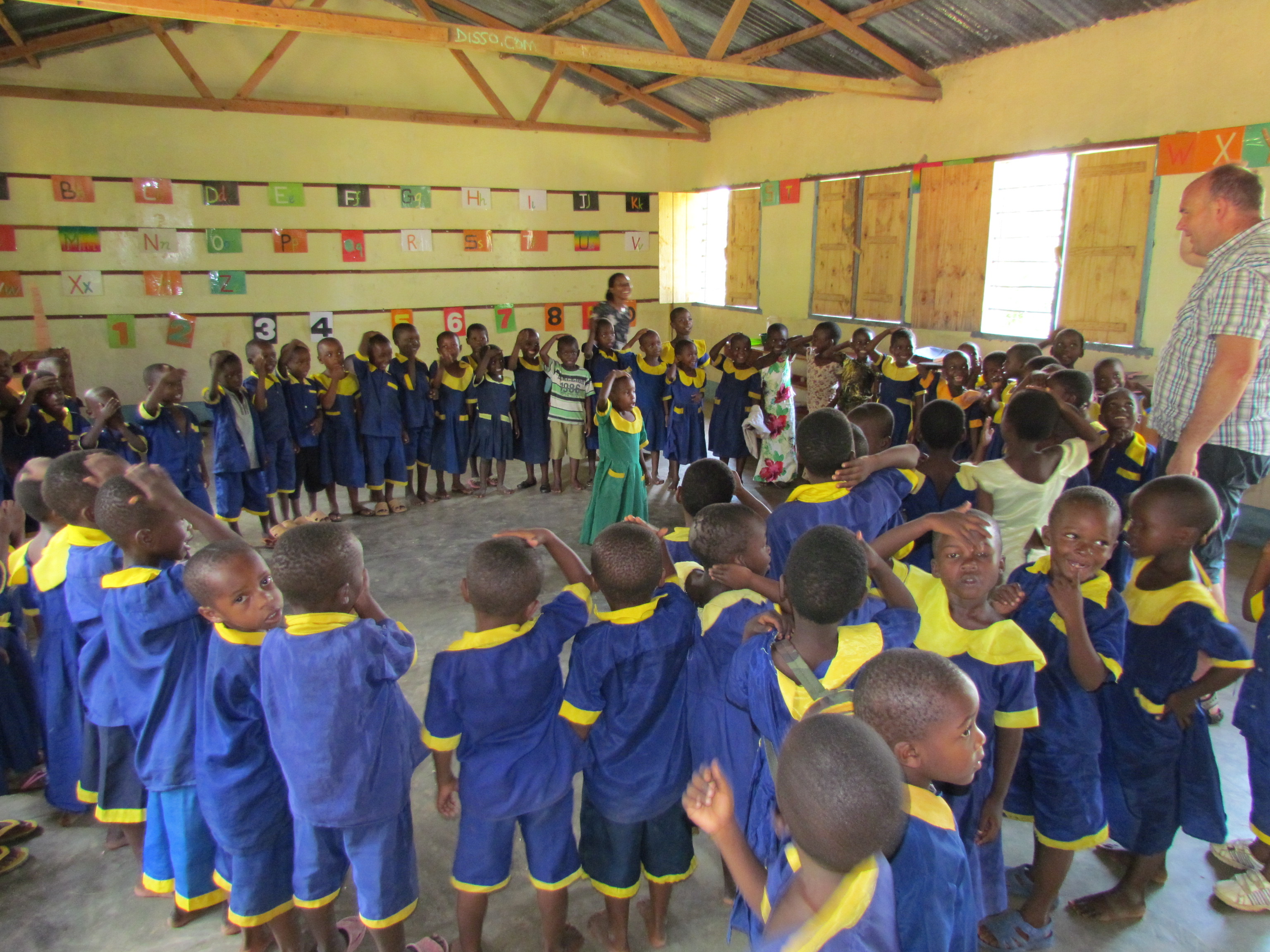
To step into a pre-primary class where there is a fully-trained teacher, pictures and letters of the alphabet on the wall and shelves with neatly stacked toys, pens and paper is to see what can be achieved with the sort of sums of money we have been raising. It was quite simply a world apart from the schools that are still awaiting help. As the children sang to us and we clapped along you experienced the transformational potential of education for some of the poorest people on the planet. It was a priceless, deeply moving moment.
Taking pictures and video of the children here is a hazardous pursuit, not because you are pursued by some busy-body panicking about child protection but because you get mobbed by the children to show you the results. They love their picture taken and seeing it on the tiny camera screens. I shot a video on my iPad of one class singing and they so loved being able to see themselves on the larger screen that I had to go round the class three times showing the result to them.
Our eventual return to Mikindani after another hour across country was the cue for a rush to the Ten Degrees South Bar, not for any alcoholic beverages but large black coffees. With caffeine now back in our systems the three addicts were then able to turn our attention to ordering some lunch. Meanwhile a bemused Tim gently sipped a cool beer none the wiser as to why we so cherished our cups of instant coffee.
Day 5 Thursday 3 May
If yesterday brought to life before our eyes the difference that a charity like EdUKaid can make in a poor community with intelligent, sustainable investment in schools and proper engagement with the local community then today hammered that message home.
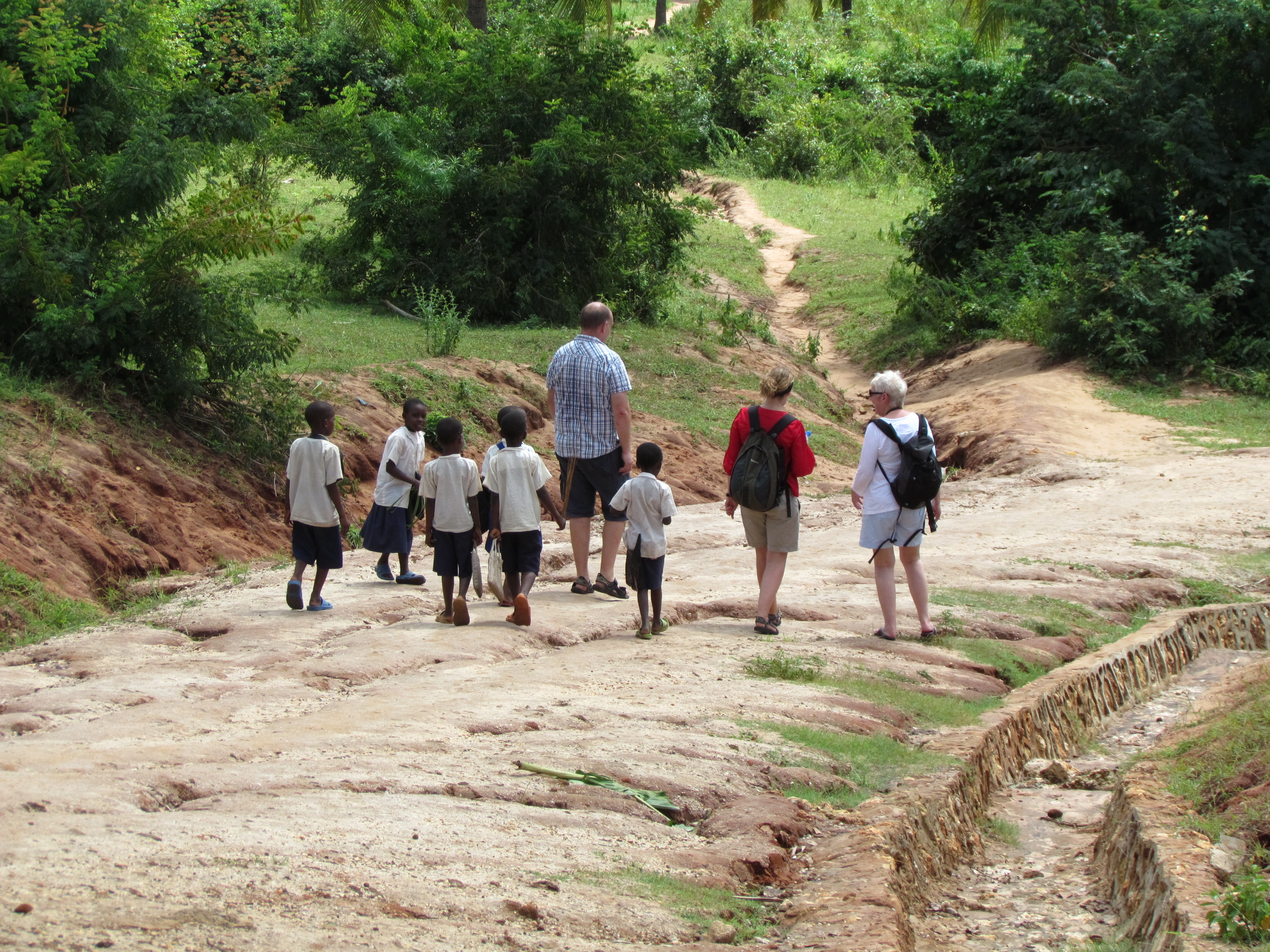
Our only visit today was to Singino primary school which is one of the schools already supported by Incisive Media. It had the distinct advantage too of being the closest school to EdUKaid House which meant that we were able to walk the 20 minutes to its location on a hilltop behind Mikindani. This was quite a contrast to yesterday’s long drive over dirt tracks. The contrast was heightened by the bright sunshine and blue skies after the relentless rain of the previous two days.
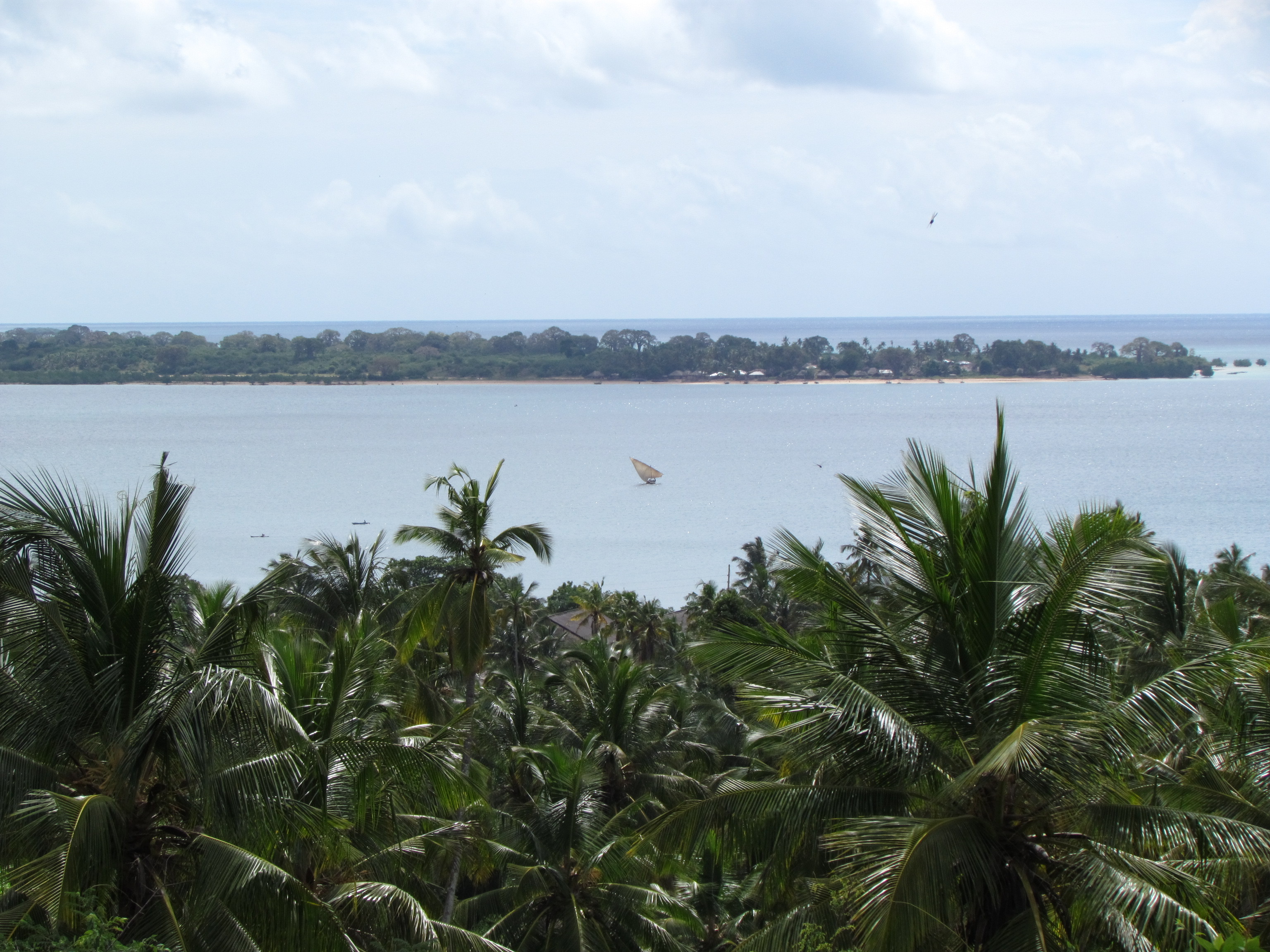
Singino’s hilltop location also makes it the most scenic of all the schools we have visited. Look one way and you have a spectacular view across the bay and out towards the Indian Ocean. Look the other way and you see dense jungle stretched out before you.
But it wasn’t this that made the deepest impression.
The school has been transformed by the help from EdUKaid and the skilful way it has been harnessed by its articulate headmaster Fidelis Fidelis Kambanga (two identical names might look odd but it is right). As you walk up the hill path lined with palm trees and turn the corner at the top you see a school that looks and feels like a school that is really succeeding in giving its 450 pupils a great start in life. It is neatly presented with little stone-lined paths between each classroom and the best you can manage in the way of flower beds in the unforgiving soil out here.
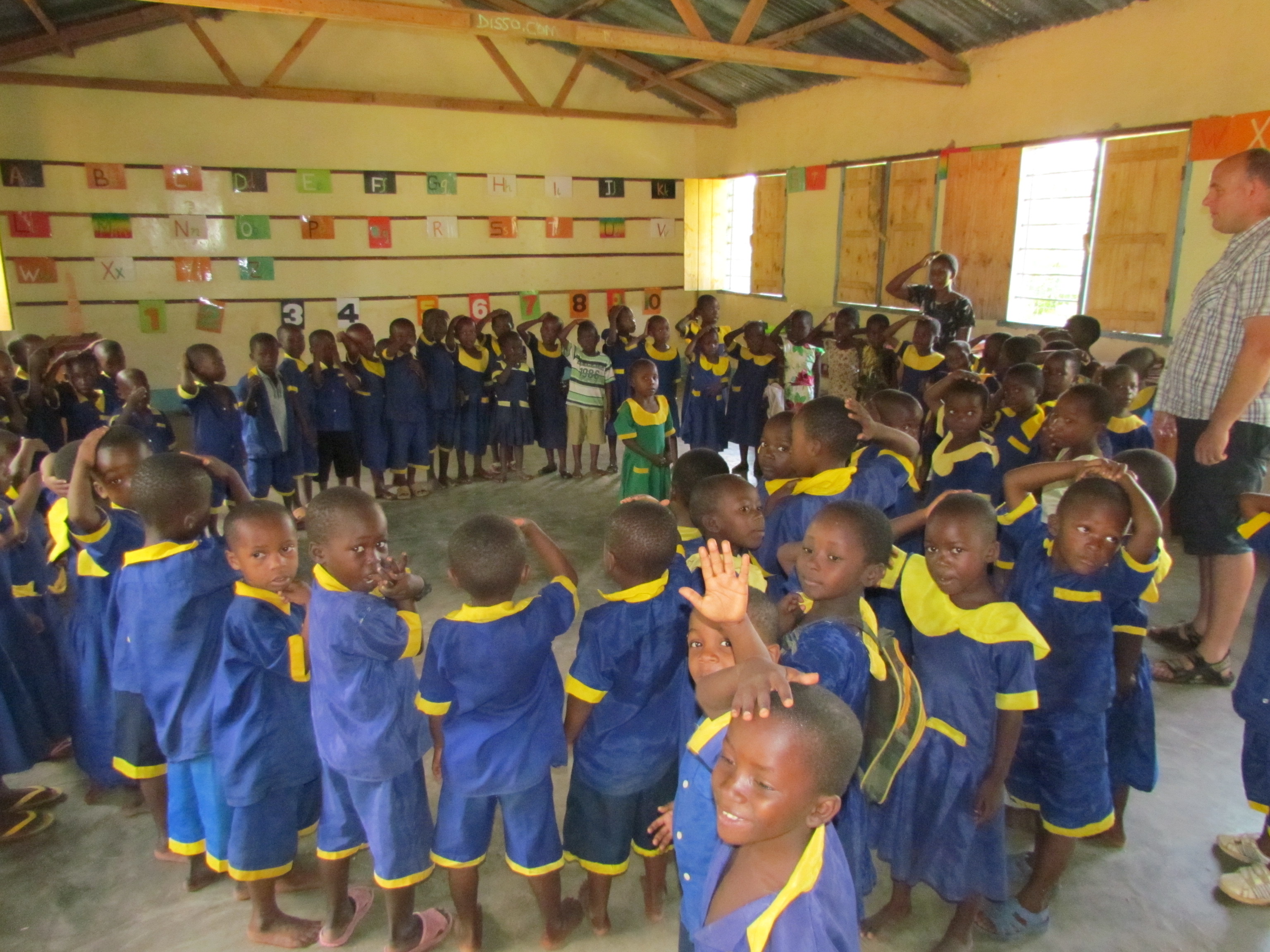
In the classrooms miracles are being performed.
Even Tim Varney was taken aback by the amount of learning that was being delivered, walking around constantly saying he couldn’t believe it. He said he had never seen a school of that size with a teacher in every classroom delivering a proper lesson – and it wasn’t a show for us as they didn’t know were coming (that seems to have been the case with several schools and is perfectly acceptable).
Mr Fidelis, as he is universally known, was clear that much of this transformation was down to the help from EdUKaid, although I believe he was being far too modest about his own contribution since he arrived at the school. He described the joy of having clean, well decorated classrooms with proper desks and shelving as inspirational for the teachers and the children – all of those things were provided to that school by the money we raised.
I have a video interview with Mr Fidelis where he explains how these changes have helped him raise the standard of the school.
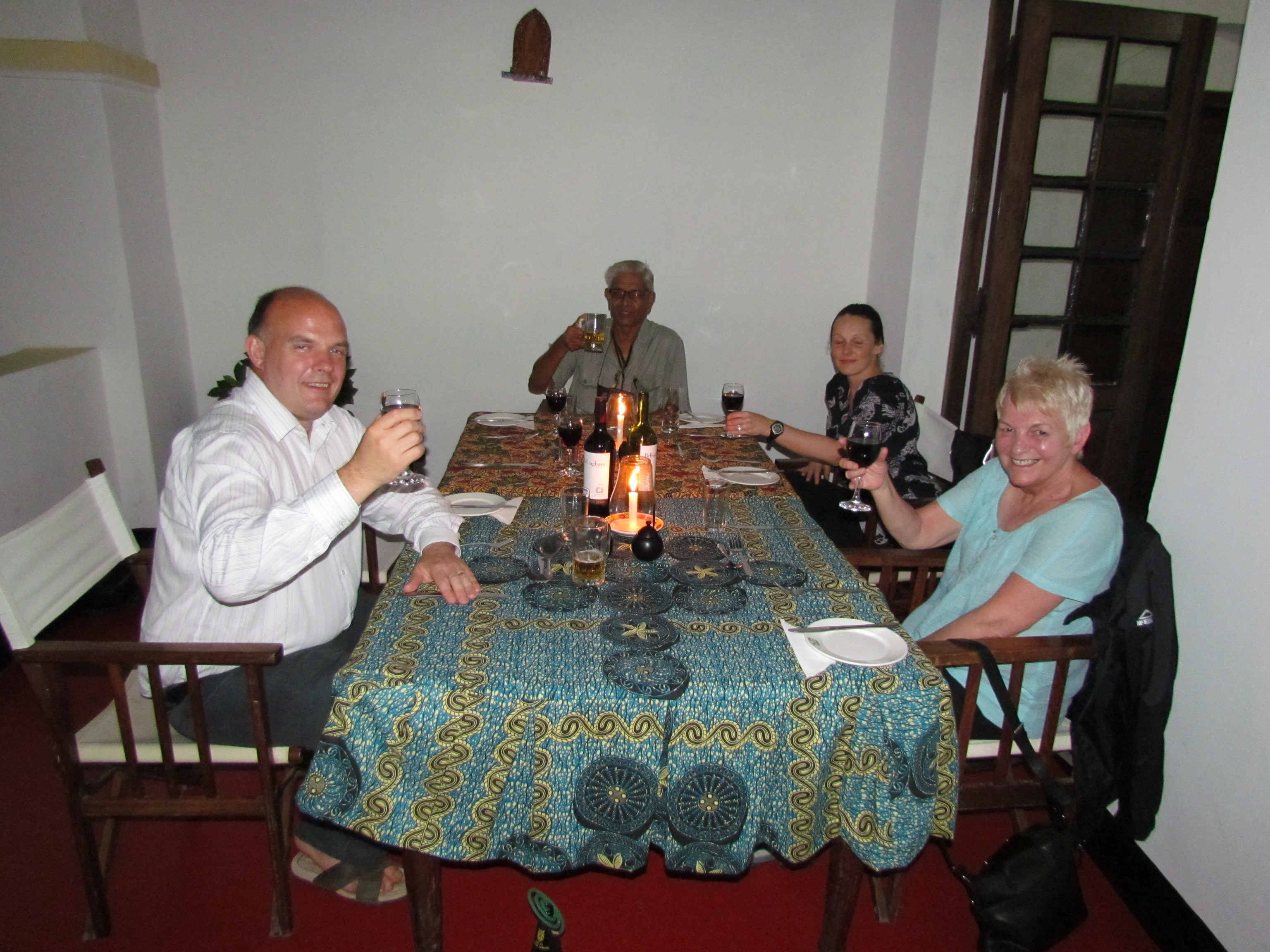
Last night we had an unforgettable dinner with one of the legendary characters of Mikindani, the 75 year old Catholic priest Fr Augustine. If that sounds a little dry for some people’s taste let me assure you it was far, far from it. He originally came from a village near Mikindani and came back here about 20 years ago. He is an intelligent, witty, caring, entertaining man who despite his age still serves a 950 sq km parish with one church and 19 far flung ‘outposts’ with just one assistant priest to help. Apparently, he can command a room with ease, once getting a bar full of oil workers unquestioningly standing for grace. We had grace, of course. But we also stood at the end of the meal and sung ‘Bind Us Together Lord’ without any one of the four of us daring to suggest this was an unusual thing to do. Fortunately, we were the only people eating on the balcony of the Old Boma Hotel at the time.
He taught us much about the people of Mikindani, the challenges they face, the harsh realities of life here and the immense value they place on help from organisations like EdUKaid. No-one here begrudges him his reputation for enjoying the occasional good meal when there are visitors and we are now among that number.
Those harsh realities that Fr Augustine spoke about were brought home to Tim Varney and I as we walked to Singino. One of the young men who works as a guard at EdUKaid House approached us, clearly very upset. He had just heard that his mother had died from malaria in a village some way from Mikindani. Tim immediately arranged for him to have the week off to be with his family and for some money for him to travel there.
I found time to edit a short video I made on the iPad of our visit to Namgagoli the previous day and have uploaded it to YouTube. The editing didn’t take long; the uploading certainly a did – nearly three hours for a one minute 20 second video. There were a few comments about monopolising the entire broadband capacity from here to Mtwara but it eventually made it. http://www.youtube.com/watch?v=aVyyLbob59s&feature=youtube_gdata_player
Day 6 Friday 4 May
We saw first hand the benefits of EdUKaid’s child sponsorship programme during our final full day in Mikindani.
First, we had to cope with an unexpected early start as the call to prayer struck up at 4.50am and seemed to go on for an eternity. As we all emerged from our bedrooms we discovered that the hot, humid night had meant that none of us had got that much sleep before finally throwing in the towel in the face of the determined efforts of the mosque.
So, it was a bleary-eyed quartet that trooped up to the Old Boma Hotel for breakfast. Fortunately, for myself and Joan, Gemma’s mother-in-law who has been raising alot of money EdUKaid through her pub in Budleigh Salterton, it was a relaxing morning. For Gemma and Tim it was a quick breakfast and straight back to EdUKaid House for a morning of meetings.
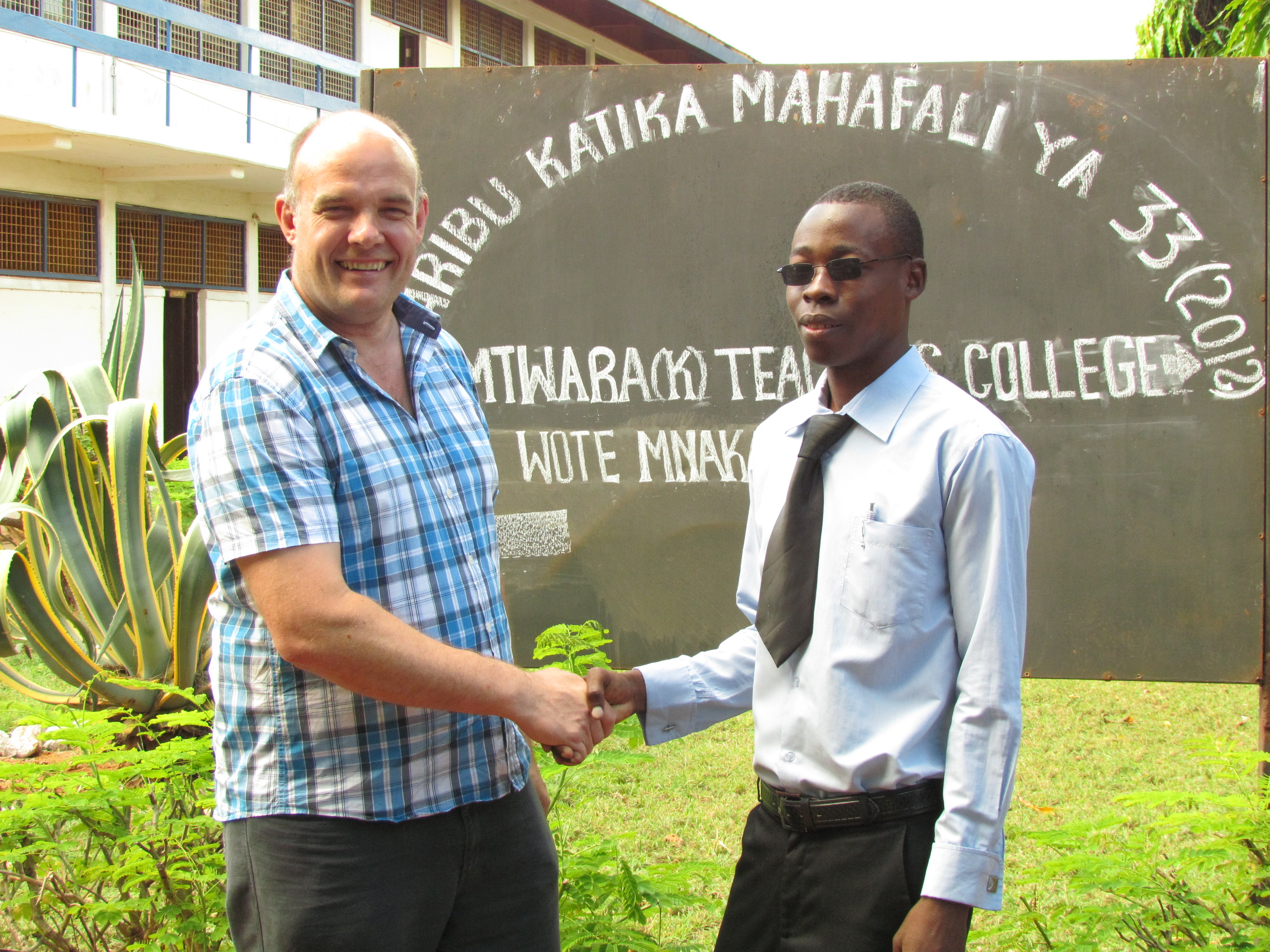
Our first encounter with a beneficiary of the child sponsorship programme came with a trip to the graduation ceremony at the teacher training college at Mtwara. Here, Stefan Fabian was receiving his certificate at the end of the two year residential training course for secondary school teachers. Unfortunately, due to complete mixing up of Swahili time with normal time we were unable to stay for the graduation ceremony itself which already appeared to be running over an hour late which ever way of telling the time you chose. Swahili time runs from sunrise which is always at 6am, so midday becomes the sixth hour. It is a way of telling the time that existed in Biblical times.
We did at least get an opportunity to congratulate the delighted Mr Fabian who is now waiting for the Tanzanian government to tell him where he will be sent.
We returned to Mikindani where the next beneficiary of the EdUKaid child sponsorship programme was going to receive some unexpected good news. One outcome of the morning meeting was that EdUKaid decided it needed a additional project worker in Mikindani and there was an obvious candidate in a young man called Mohammed Mpondomoke currently working at the Ten Degrees South Bar. He had already spoken to Tim on our first night here about his desire to work for EdUKaid and now he was going to be interviewed for just that opportunity.
He passed with flying colours and told Jaylani on the way out that “God is looking after me”, another example of how valued the work that EdUKaid is down here.
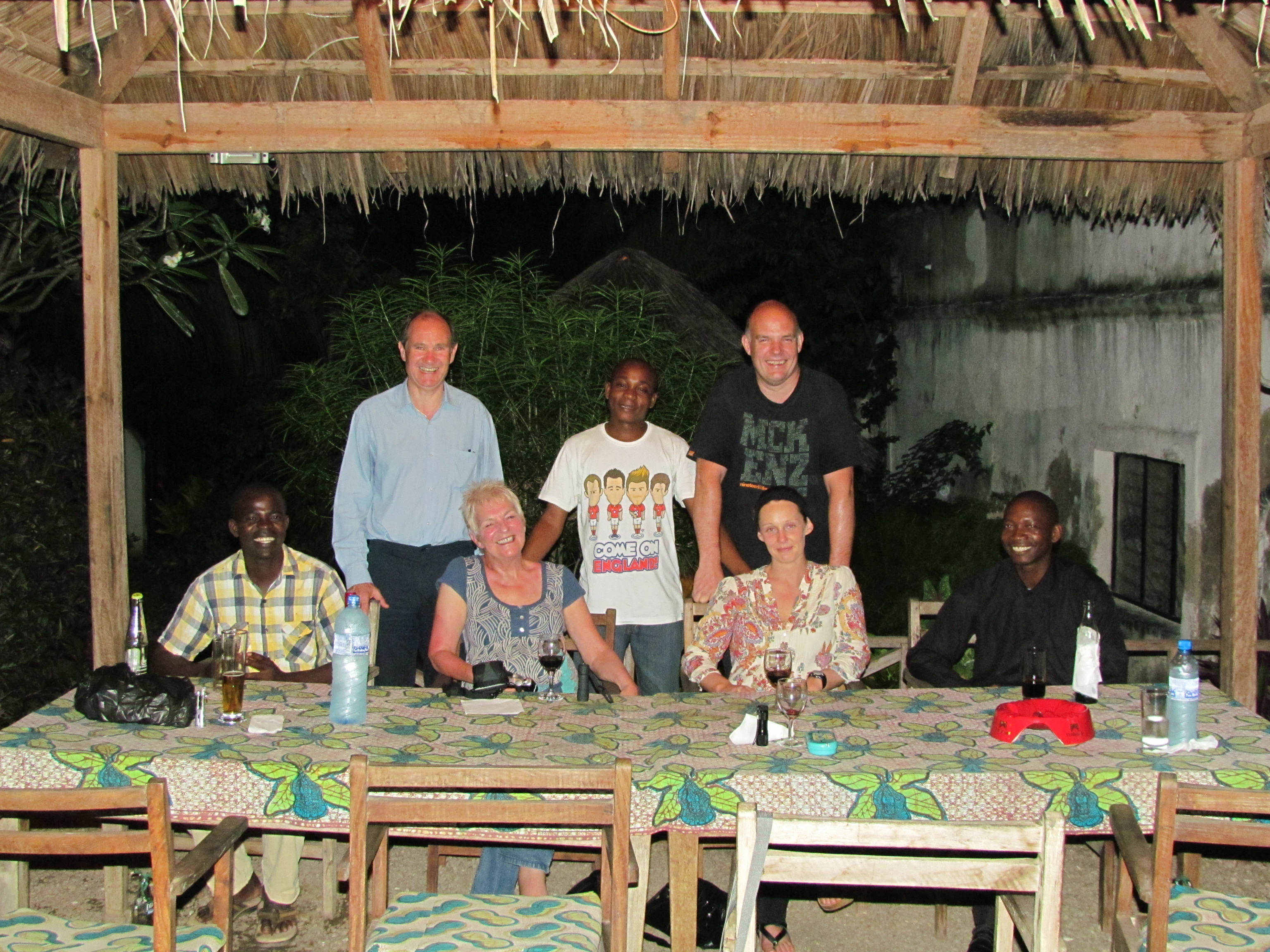
Our evening was spent at the Ten Degrees where we were joined by Mr Fidelis, Ali and Jaylani, the latter who proved to have a surprisingly acute appreciation of the English sense of humour. EdUKaid are hoping to bring Ali and Jaylani to the UK in the autumn which will include a visit to Incisive Media.
At dinner I was very kindly presented with a present of an African frog beautifully carved in ebony – the Incisive frog is now a legend in this part of Tanzania.
Day 7 Saturday 5 May
The mosque decided to give us another extended 4.45am call to prayer. By now I had ceased to be overly bothered by it so I got up and tried to rustle up a half decent mobile signal but failed. I settled back to finish reading ‘Growing up in a war’ by Bryan Magee who I worked with briefly in the 1980s when he was MP for Leyton and joined the newly formed SDP.
On our way to breakfast, as we walked past the local tailor’s house where he sits outside working on an ancient sewing machine, I had to do a double-take as he had Beethoven’s Pastoral Symphony playing to accompany his work. This was not quite what I had come to expect as part of the noise and colour of a Mikindani street.
By lunchtime Tim and I had bid goodbye to Ali and Jaylani as well as Gemma and Joan who are staying on another four days and headed off to Mtware airport where the extensive facilities consist of a tiny gift stall, a stall piled up high with bags of cashew nuts and a hatch from where you could buy a bottle of Coke and a cake. I did at least satisfy my curiosity about the apparently missing Terminal 1. There is indeed another small terminal towards the other end of the runway which is currently being rebuilt to what looks a high standard.
The Precision Air flight back to Dar es Salaam, clocking up another first for Tim as he has never been on time on both flights between Mtwara and Dar before.
On arrival at the New Africa Hotel I indulged myself in my first hot shower for a week, dozed off and later joined Tim for a meal in the top floor bar over-looking the busy main port in Dar. There we found ourselves surrounded by passionate Africans watching the FA Cup Final with Chelsea fans out numbering those supporting Liverpool by about 50:1. The reason for this is simple – the presence of African superstars like Drogba and Essien in the Chelsea side. Drogba’s goal was greeted with a huge cheer with several of the waiters doing a lap of honour around the bar.
Sunday 6 May
The return flight was uneventful, concluding with the unexpected pleasure of being able to walk straight through Terminal 5 where there were crowds of Border Agency staff on duty. Clearly, the long, highly publicised queues when we left were for the benefit of Alastair Campbell.