
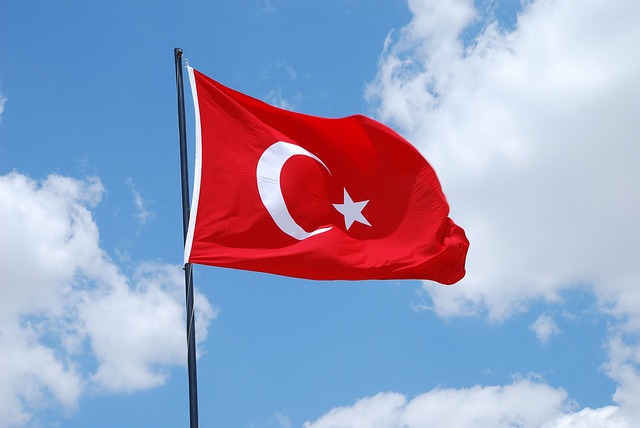
Europe or Asia? Where does Turkey’s future lie?
The news this morning that the talks about easing Turkey towards membership of the European Union are back on does not fill me with the same unquestioning cautious enthusiasm of almost every commentator I have heard or read today.
Turkey looks east far more than it looks west. it is not naturally part of Europe although I accept it is a crucial bridge between Europe and Asia. That does not mean it should be absorbed into the European Empire – sorry Union. The arguments I have heard this morning and in the past have uncomfortable echoes of the justification for the continued expansion of the British Empire at the end of the 19th century and the early part of the 20th century. Under the banner of Forward Policy expansionists argued that pushing further beyond India was necessary in order to secure its borders – how many times has that been said about Turkey this morning? British Imperial expansion was also regularly justified by reference to bringing freedom and economic prosperity to countries that were supposedly otherwise incapable of finding it themselves. Again, how many times has that been said this morning?
Dragging Turkey into the EU would be an act of Imperial expansion. It could also quite possibly make Turkey’s position with its eastern neighbours as even more intolerable as they would surely start to view it as a permanent enemy. Securing Europe’s borders might come at a terrible price for Turkey.
I am keen to see a debate about the future of Turkey and its relationship with Europe and Asia but it shouldn’t be conducted on the unchallenged premise that its membership of the EU would be a good thing. That principle needs much more rigorous examination first and not just from the right wing perspective of hating all things foreign and, especially all things EU.
It is a story that will run. Lord Ashcroft and Isabel Oakeshott knew that when they decided to include the uncorroborated allegation about David Cameron, a pig and strange initiation rites in their biography of the Prime Minister. It shocked me.
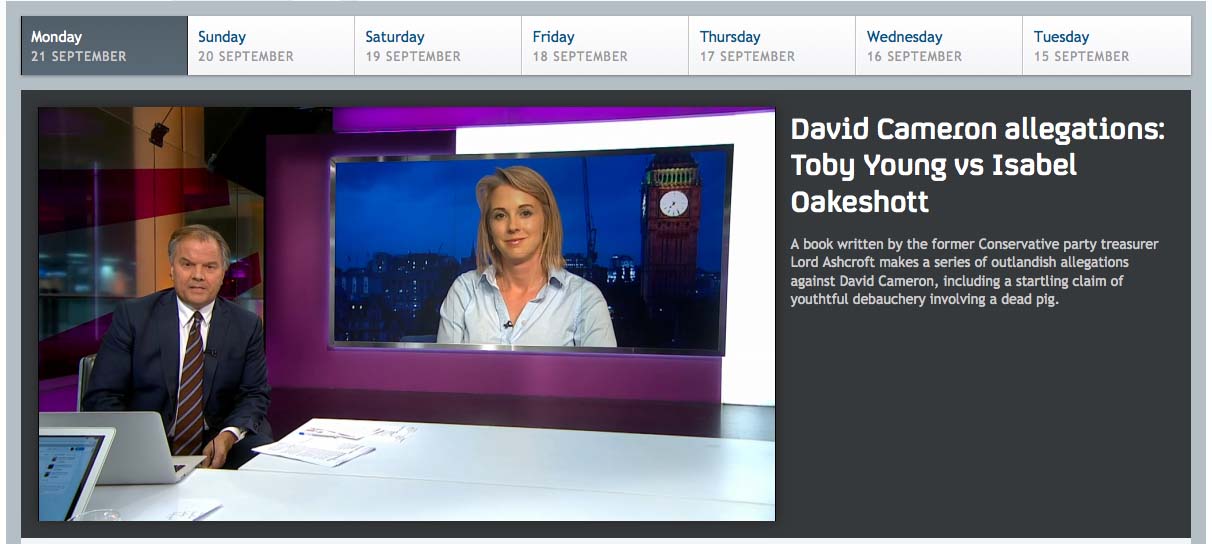
Channel 4 News: Oakeshott on the spot
It wasn’t the bizarre nature of the initiation ceremony that shocked me but the way a once respected journalist – Political Editor of The Sunday Times no less – could so casually abandon professional journalistic standards in order to help the bitter Ashcroft grind his axe.
The story has one unnamed source. It hasn’t been verified or checked against a second source, presumably because one couldn’t be found despite all their efforts. It also wasn’t put to Cameron before publication. These are essential procedures for professional journalists and the failure to follow these was put to Oakeshott on Channel 4 News last night and has also been raised by New Statesman on Ashcroft. Her glib dismissal of such concerns does her no credit.
They have taken a gamble. A gamble that Cameron won’t sue. They are probably right in that judgement but that still doesn’t mean they were right to publish.
Sink into the morass
Journalists come across all sorts of gossip in the course of their careers, much of it malicious and which can never be corroborated. It never gets published. You cannot rush into print the moment someone whispers something salacious in your ear otherwise you fall into the trap of doing someone’s dirty work for them, of taking sides and being a mere conduit and withdrawing from exercising any judgement. If journalists stop checking facts and giving people a chance to comment on them then they stop being professional. Crucially, they stop adding value for their readers. Once they do that they just sink into the morass of unverified content that washes around us from all sides in the digital era.
This promises to be a fascinating party conference season as the main parties – which now has to include the SNP and UKIP – contemplate a radically changed political landscape in the wake of the General Election.
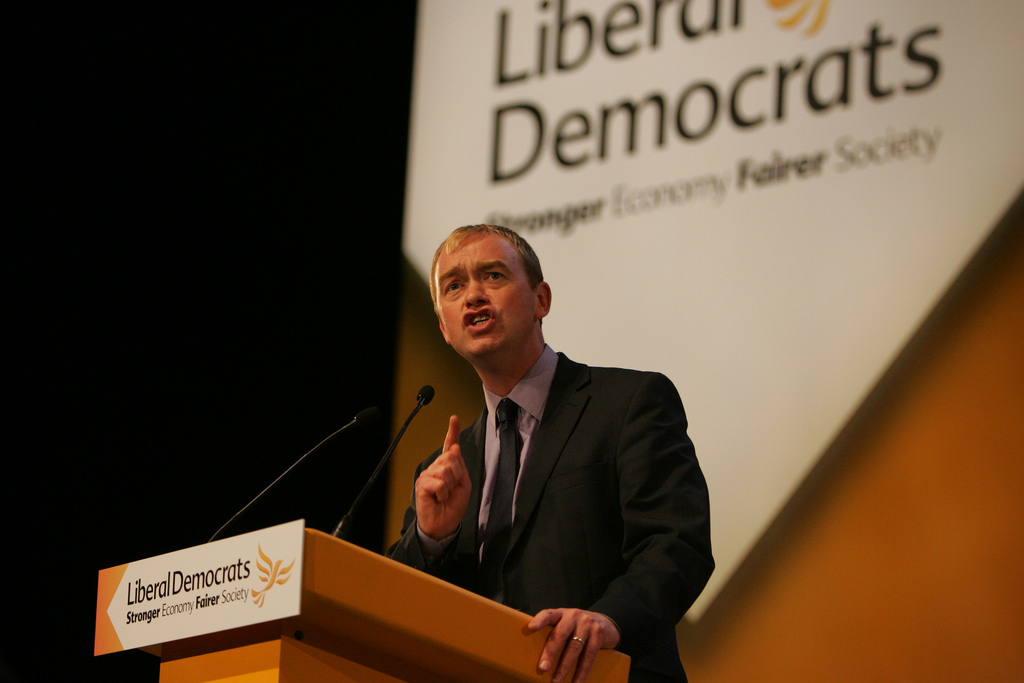
Farron: face left or stay centre?
First to gaze out across this new, uncharted landscape is the Liberal Democrats, one of the parties with a new leader at the helm, Tim Farron. He faces a bigger but potentially more promising challenge than he probably expected when he was elected to succeed Nick Clegg.
He knew he was taking on a party that will find it tough to come to terms with its abrupt return to the edges of Parliamentary politics. As delegates arrive in Bournemouth they will come face-to-face with some of the consequences of that with a huge drop in the external interest in their conference: fewer lobby and pressure groups, less attractive external speakers at fringe meetings and a greatly slimmed down exhibition. It is their new reality.
Picking the party up and giving it a new sense of direction was always going to be tough, especially as many influential figures can’t bring themselves to acknowledge how much damage the decision to form a coalition with the Tories in 2010 did to the party. It has cost them dear and there is an urgent need to distance themselves from the last five years. The party members showed some understanding of that awful leagcy by electing Farron over Norman Lamb, who would never have been able to shed the millstone of having been a minister in that government.
A man comfortable moving left
Farron was initially tempted to set out a path towards a more radical, left-of centre position. Instinctively that is where he feels most comfortable. It is also where the Lib Dems have lost most support, especially members, over the last five years. But the election of Jeremy Corbyn has further changed the landscape and left Farron with a dilemma. He must now be tempted to preach a more centrist message in keeping with the Clegg era, hoping that this will appeal to Labour supporters, possibly even a handful of Labour MPs, frightened by the sudden shift to the left the election of Corbyn represents.
Put Labour’s leftward realignment alongside the unleashing of the Tory right now they have a Parliamentary majority and the temptation to play the voice of moderation, sensible centrist card must be weighing very heavily with Farron and his advisers.
It would be a mistake to be tempted down that route. What I see in the new mood in politics is a desire among people for politicians to stand up for what they believe in, not to define themselves by reference to where others may stand. The Lib Dems suffered terribly in May because people no longer understood what they believed in after five years in a Tory-led coalition and a General Election campaign in which the core message was about being in the centre of wherever the other parties happened to be at the time.
Think longer term: the opportunities will come as Labour implodes
Farron should go with his instincts and move the party back to its former left-of-centre stance with radical policies that challenge the consensus on a range of topics. That may not instantly appeal to right-of-centre Labour supporters looking for an immediate safe haven but it will be a better medium term strategy. My guess is that the Corbyn leadership will implode at some stage in the next three years and the Blairites will reclaim the Labour Party. That will disillusion those attracted by Corbyn’s challenge to the way politics is conducted and by his advocacy of once unpopular causes but who are not totally sold on the hard-left philosophy that underpins his politics. Those people whose interest in politics has been rekindled by Corbyn’s victory will then be looking for a new home. That home was once and should always be the Liberal Party and its Liberal Democrat successor. If the Lib Dems are stuck offering a wishy-washy let’s not frighten anybody and be in the centre of whatever is going on elsewhere they will lose that opportunity.
They elected Farron knowing what he stood for and should let him lead according to what he believes. The worse that can happen is that some of the rightward leaning Orange bookers who have done so much damage to the Lib Dems decide that they really are Tories after all.
Left or Centre? That is Farron’s dilemma. We we find out over the next few days how he has faced up to it.
I was at the Proms earlier this week for a wonderful concert by the BBC Symphony Orchestra conducted by Edward Gardner which concluded with Janáček’s mighty Sinfonietta. It is impossible not to be gripped by the waves of sound produced by the vast army of brass in that piece. After some movements people were so impressed they applauded. You should have heard the grumbles which continued afterwards as we were walking down to South Kensington station from the Royal Albert Hall: “It’s not as if it was Tchaikovsky’s 5th” said someone in front of us in a patronising tone that beggared belief.
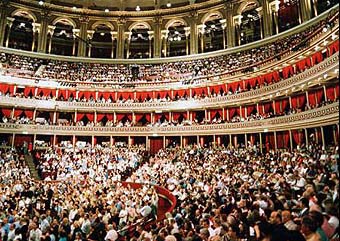
Music-lovers?: Proms audiences divide opinion
The ‘to applaud or not to applaud’ debate is a constant theme at classical concerts, especially those – like the Proms – that dare to attract people from outside a self-appointed elite. People respond instinctively to something that stirs their emotions. That means they applaud if they are in a concert hall. Does it matter if that applause comes after a single movement and isn’t saved up until the end of the work? I don’t think so. I want people to enjoy and appreciate classical music, to experience the deep personal responses it can provoke and if that means some of them applaud I don’t mind. In fact, like Tom Service in 2010, I welcome it.
Many people don’t. Just last week there was an outrageously snobbish, elitist and viciously patronising piece by Michael Henderson in The Daily Telegraph. In it he takes that elitism to new levels by claiming only he and his killjoy ilk are true music-lovers.
When did we get so miserable and exclusive about appreciating classical music? And why?
It hasn’t always been thus.
When the greatest English symphony – Elgar’s 1st – was premiered at the Free Trade Hall in Manchester in December 1908, the conductor Hans Richter brought the composer on stage after the the Adagio, the slow third movement of a four movement work, so insistent was the adulation from the audience. A famous German conductor, an English composer and an English audience. So, when and from where did we import this stuffed shirt approach to classical music? I would certainly like to know so I can send it straight back from whence it came.
Don’t think for one moment I don’t appreciate silence in the concert hall. There are times when music that vanishes slowly into nothing becomes even more powerful as you realise sound has seamlessly become silence. Audiences respond to that. Indeed, the very same audience that wanted to applaud between movements during the rabble rousing Janáček were twice held in rapt silence at the end of other works in the same concert, Nielsen’s Flute Concerto and a deeply impressive world premiere of a symphony by Raymond Yiu. Does that qualify them as music-lovers? Or did they promptly disqualify themselves later in the evening?
•••••••••••••••••••
For a review of the concert – The Guardian, The Times
The shaming of the previously unknown Lord Sewel has heaped further ignominy on the House of Lords. He may have resigned but the damage has been done. Good.
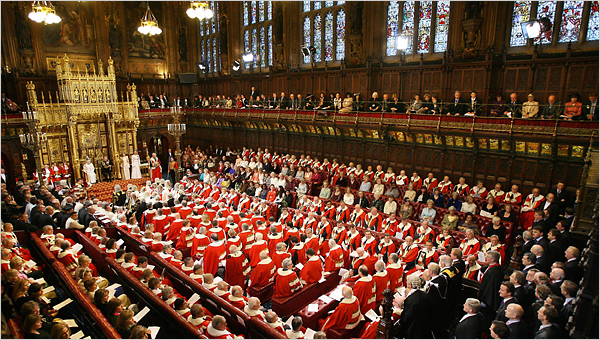
House of Lords: time for it to be shut down
The House of Lords has no place in a modern democracy and should be abolished. The more of its members who are caught doing things that undermine its credibility the closer the day will come when the case for shutting it down becomes unanswerable.
Many will have sympathy with Lord Sewel at the savagery of the media exposure of his private life and the heavy-handed response of the police. It is possible construct a decent liberal argument about how the private life of a public figure should stay private unless it clearly interferes with their public duties. The Sewel story is right on this boundary, involving as it does drug taking and prostitution.
The Sun certainly hasn’t weighed up this moral dimension and also hasn’t been an enthusiastic supporter of Lords reform or abolition. It saw that even a political non-entity like Sewel when dressed in ermine makes a good story that sells newspapers and website subscriptions: it was ever thus. Other peers need to look very carefully at their private lives as the interest this has generated will encourage the search for further similar stories.
Abolition should be a priority
There is a greater good that comes out of the Sewel story and that is the further discrediting of the House of Lords.
I have long been a supporter of radical reform but I increasingly find myself drawn towards supporting outright abolition.
I used to be seduced by arguments about the need for a ‘revising’ chamber but find those rather threadbare. We have a very large lower house – 650 MPs – which doesn’t function with any great efficiency. Over the last 30 years much of what it used to do is now done elsewhere, either in Europe or in the devolved parliaments and assemblies of the UK, yet we have more MPs than ever. If they can’t make a decent job of passing legislation then they shouldn’t be there. A revising chamber is a dreadful indictment of the incompetence of the main chamber so that isn’t a decent reason for having one.
Alongside that is the problem of competitive legitimacy if you have two elected chambers – no-one will ever sell me the idea of a partially elected Lords as that is just absurd. I think that is a very hard one to resolve so why not avoid it altogether by dispensing with the second chamber? That would take nearly 1000 politicians off the public pay-roll and begin to offset the huge increases in the number of paid politicians over the last 30 years we have as a result of the European Parliament, devolution, city mayors, full-time councillors, police commissioners and so on.
The sacking – for that is what it is – of FCA chief executive Martin Wheatley by the Chancellor of the Exchequer, George Osborne is a vindictive act and one that could come back to haunt the Chancellor.
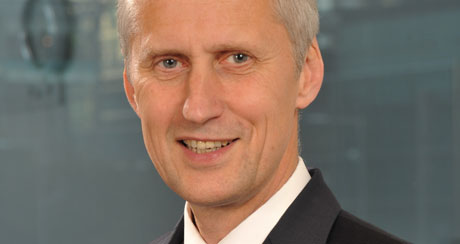
Wheatley: made an enemy of Osborne
Osborne has wanted to ditch Wheatley for some time. He thought he saw his chance in April last year when the Financial Conduct Authority made the one serious mistake in its relatively short existence – bungling the announcement of the review of closed fund insurance policies.That moment passed quickly and Wheatley survived. By then his days were already numbered.
Wheatley’s card had been marked by the Chancellor more because of the FCA’s warnings over the the rush of pensions reforms than for its perceived banker bashing. Indeed, the FCA has acted as useful lightening conductor for public disquiet about the banks and the ease with which they are widely believed to have escaped their full responsibility for the economic and financial chaos of the last eight years.
At yesterday’s annual FCA meeting, Wheatley came under sustained pressure over the regulator’s allegedly lenient handling of the interest rate swap scandal that crippled many small businesses. That criticism is indicative of the underlying public mood when it comes to banks and especially the excessive remuneration of many in the sector: they still want blood. The danger Osborne faces is that he will appoint a new FCA chief executive who will be more sympathetic to the businesses it regulates, especially banks. It will only take one more scandal in the sector for that to cause Osborne some serious political problems as he sets out his stall to replace Cameron as Prime Minister in 2019.
Wheatley did a good job of creating a new regulator out of the breaking up of the old Financial Services Authority. It moved faster, it fired warning shots across the bows of sectors indulging in practices it didn’t like, allowing them to fix their own problems, but hit them hard if they ignored the warnings. It wasn’t intimidated by the protestations of the big vested interests and certainly wasn’t taken in by the banks’ subtle and sustained campaign to bring the curtain down on the era of banking bashing, unlike the Chancellor.
This blog also appeared on Professional Adviser

Europe is destroying itself: A dream has died
The grinding humiliation of Greece and the sacrificing of its people – especially the jobless youth – on the altar of austerity will fundamentally shift the debate about UK membership of the European Union. The once passionate pro-European voices are stilled, seemly without a narrative to justify the actions of institutions they want us to remain members of.
The long-term British distrust of European institutions will be a powerful factor in the referendum when it finally comes, reinforced by the re-emergence of the Germans as the bullies of Europe. These are deep, at times almost visceral emotions in this country and once they come to the surface rational debate will be hard.
What is the case for Europe now?
But what is the rational case for the European institutions we will be asked to vote for or against? They have long since lost sight of the sort of dream of mutually supportive European co-operation that has made me a long time supporter of the EU and its predecessors. I’ve shrugged off the bloated bureaucracy, the obvious democratic deficit within EU institutions and the almost imperialist ambitions behind the expansion of its boundaries but I cannot turn a blind eye to the economic insanity and callous treatment of Greek democracy and of its people. Where is the narrative to justify that?
Some pro-Europeans will attempt to split hairs and argue that the Greek crisis is an issue for the Eurozone countries alone and not the wider EU to which the UK belongs. That doesn’t wash as the European Commission is a key member of the troika and hasn’t made any attempt to represent a different or broader perspective. The president of the the European Council, Donald Tusk, has also vociferously joined the cheerleaders for the bullies when he could – and should – have stood back in order to play a more conciliatory role. European institutions have made themselves indivisible and in doing so have made the pro-EU case much harder to put in the UK.

Krugman: powerful critic of austerity
The finest economist of our generation, Paul Krugman, believes the European project may have been dealt a fatal blow by its mishandling of the Greek debt crisis. If the UK leaves then it will be dead.
I always thought the UK referendum would be a forgone conclusion with a 60-40 vote in favour, similar to 1975. I now think it is very hard to call and it is the very institutions that the pro-Europeans want us to remain members of that have done the most damage to their cause. If asked today how I would vote I would have to say I really don’t know. I never thought I would be put in that position.
Read also: It is getting harder to like Europe and its failing institutions
Sometime in the next two years the UK will be asked to vote in a referendum on its continuing membership of the European Union. The most likely outcome of that has always been a fairly clear vote to remain members: now I am not so sure.

Is Europe still a beacon of democracy?
Forget the charade of Cameron’s renegotiation as that is very unlikely to make much difference as to how people vote. It is the growing crisis surrounding Greece that is causing people to question the role and nature of European institutions. To many, like me, who have long believed that European co-operation through the institutions of the EU is a valuable contribution to greater political and economic stability in what has historically been a troubled continent the response of those institutions to the economic crisis has been been blinkered from the start. Their brutal response to Greece and its people has reinforced those concerns.
Euro is now deeply flawed
Europe clearly has some deep flaws running right through its institutions and at the core lies the Euro. It was a once idealistic project of some promise but was rushed and ill-conceived in its execution. Greece, along with other weaker southern European economies, should never have been in the Euro but they were needed because without them the Euro would have been too strong and German exports (in particular) would have suffered. Germany’s ability to ride out the global financial crisis so successfully would have been undermined without them.
The trouble was that those economies were always going to struggle to play on the same pitch as the stronger economies. They were cut alot of slack to get them into the Euro club when it suited Germany and its allies. There is no hint today of recognition of the debt the rest of the Eurozone owes Greece, Spain, Portugal Italy and, to a lesser extent, Ireland. Where is the concern for the youth of those countries who are without jobs and bereft of hope? That alone is a huge condemnation of the Euro project – it cares nothing for people.
Where is the Europe that cares?
The underlying problems in the Greek economy were there ten years ago but those weaknesses were useful to the Eurozone then. Now they are no longer useful Europe has turned nasty and it leaves a very bad taste. A Europe that cared would put its arm around its weaker brethren and pick them up, not kick them while they are down.
There is also a disturbing disregard for democracy. Like it or loath it, the Greek people have spoken clearly twice in the last six months. Does that mean nothing in Berlin and Brussels? That we can even ask that should send shiver down the spine of anyone who claims to value democracy. And many commentators are asking that question today.
From there we are inevitably led to ask: what are Europe and its institutions for and do we want to be part of them? Many more people in the UK will now be hesitating in their answers and very few will feel able to make a persuasive case for them when the referendum comes.
Will the UK vote to stay in? I’m now not so sure and it will be Europe and its failing institutions – not UKIP or the Tories – that will be to blame if we do leave.

Sturgeon takes on cybernats – and not before time
Nicola Sturgeon’s attempts to take the bile out of Scottish politics should be applauded. Her article in the Scottish Daily Mail and in her own blog on the Scottish National Party website acknowledges the damage that has been done to democratic debate – especially online – by the SNP’s supporters.
The cybernats have poisoned political debate in Scotland and around the broader debate on the future of the United Kingdom. When you write something you know they will disagree with you take a very deep breath before publishing it on social media and wait for a whirlwind of abuse. That fear of abuse and hatred has intimidated some people into keeping quiet: that is when the flame of democracy starts to dim.
It will take more than one article to cleanse the Augean Stables but it is a welcome start.
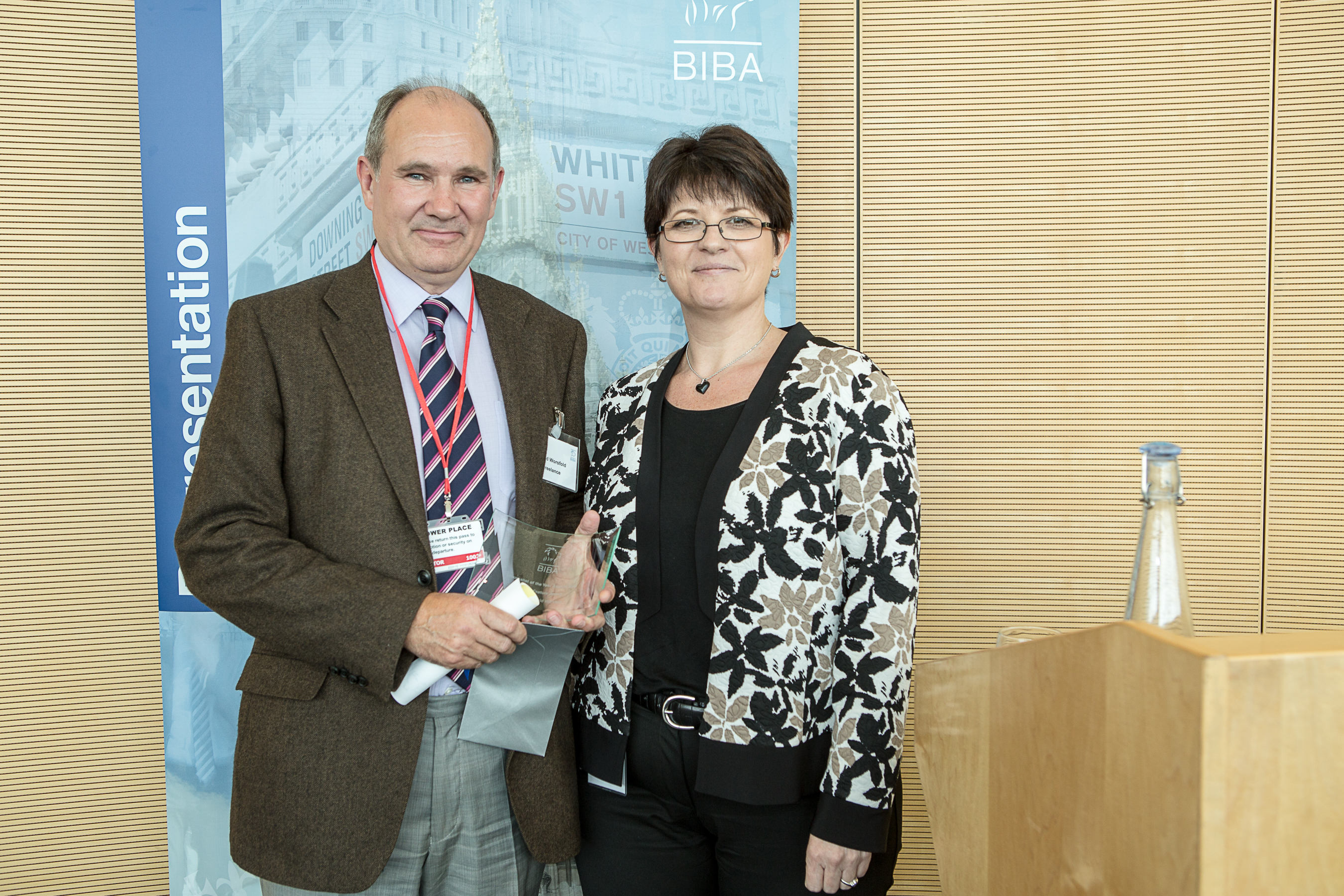
Receiving the award from one of the judges, Julie Page, CEO of Marsh’s consumer & commercial practice.
I’m rather pleased to have won the Trade Feature Award at the BIBA Insurance Journalist of the Year Awards for a piece called “The Rise of the Machines” about drones and pilotless planes. Such things were the stuff of science fiction when I first won the same award back in 1984.
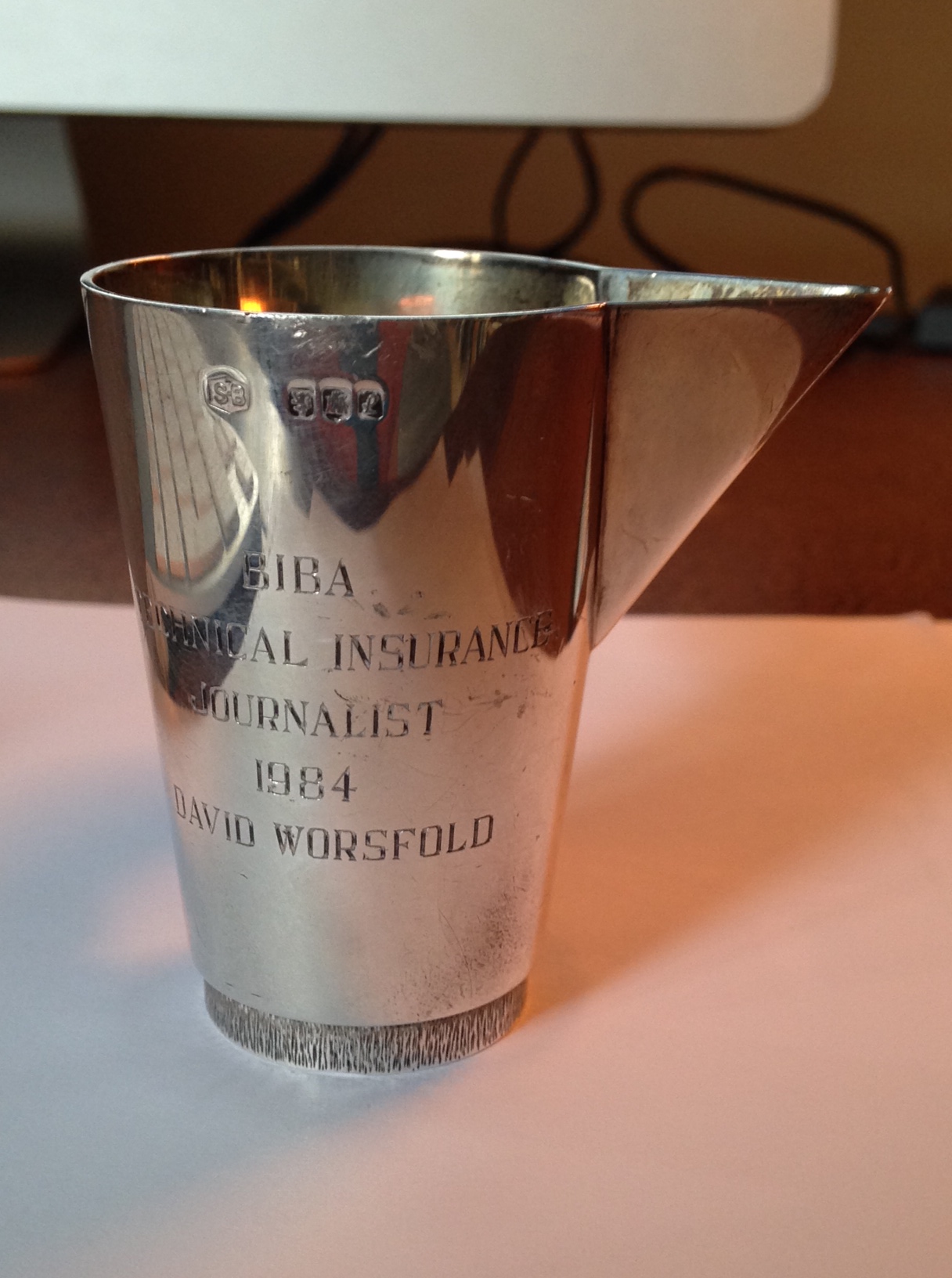 Nowadays you get a simple piece of glass as a trophy (and a rather nice cheque) for winning. Back in 1984 it was a silver spirit measure which probably says something about how people viewed journalists then.
As someone kindly pointed out (I think they were being kind) with the other awards from BIBA and the ABI Media Awards I have won over the years I have now won journalistic awards in four different decades. Only another five years to go before I can can try to make it five decades. I’ll probably have to write about insuring flying saucers or making a claim when you are time travelling for that one!


 David Worsfold