
The aftershocks from the political earthquake of UKIP’s thumping victory in the European Parliament elections continue to rumble around British politics leaving Liberal Democrat leader Nick Clegg in an increasingly precarious position. I have thought for some time that at least one of the three main parties would ditch its current leader before the 2015 General Election and it looks increasingly likely that it will be Clegg that goes.
It is clear that he is, at best, a lame duck leader, at worst, a major electoral liability. With him at the helm the Liberal Democrats are heading for a major reverse at next year’s General Election. Just how big is a matter of increasing speculation but they are already reconciled to losing many seats, although they cling on to the hope that they may still hold enough seats to be potential coalition partners for either Tory or Labour in a close election.
Clegg’s fate will be decided by two factors. The first is the feedback from the increasingly restless grassroots of the party, many of whom for the first time in a generation find themselves without any elected representatives among their ranks following the wipe out in the local and Euro elections. The cries of old hands that they have been there before don’t quite wash. They may have seen local authorities without any Liberals or Liberal Democrats in the 1970s, 80s or early 90s but what they haven’t seen is many of those authorities having a significant third party presence in the form of UKIP. This is a game-changer in terms of local and regional media coverage as much as it is nationally (as we have seen). It will squeeze the Liberal Democrats out of the picture.
Once this ugly new reality sinks in the calls for a change at the top will rise to a crescendo. But will they herald a leadership challenge?
On this front there is better news for Clegg. Is there an alternative leader?
Vince Cable would be the obvious choice this close to an election as he is already well-known with an appeal that stretches beyond the hard core Liberal Democrat vote. However, he is damaged goods having been the minister charged with introducing the about-turn on tuition fees that so severely wounded the Lib Dems and which will haunt them throughout next year’s campaign. Now, his close ally Lord Oakeshot has been forced to resign from the party over his botched attempt to further destabilise Clegg.
After Cable, the only other possible contender seems to be Tim Farron, the party’s president but outside the ranks of the Lib Dem activists the reaction to him will be “Tim who?”.
This lack of a clear challenger could save Clegg, assuming that he wants to be saved.
There won’t be any movement this week as the domestic political focus will shift to the Parliamentary by-election in Newark, never a Lib Dem prospect but one where a slump from third to fifth behind the Greens could still stoke up the pressure on Clegg to go.
Cameron has more to lose in Newark
We know there will be a strong UKIP vote but such is the public mood after the European Parliament elections almost anything short of a UKIP win in Newark will be viewed as a minor triumph for Cameron and the Tories. A modest majority of a couple of thousand would certainly cement Cameron’s position as Tory leader for the 2015 General Election. A UKIP win could set alarm bells ringing among Tory MPs and spark calls for a change at the top.
The Tories are traditionally the most ruthless in dispensing with their leaders so Cameron won’t be sitting that comfortably this week and is certain to use the row over the prospect of former Luxembourg Prime Minister Jean-Claude Juncker becoming the next European Commission president to demonstrate his tough stance on all matters European. This is a godsend for him and may well be enough ensure the Tories see off the UKIP challenge in Newark.
Labour’s progress enough for Miliband
Sitting quietly on the sidelines is Labour leader Ed Miliband. The doubts about his leadership haven’t gone away but neither have they grown.
Labour enjoyed enough success in London and other major cities in the local elections to enable him to claim it has positive momentum as we head towards 2015. It falls short of allowing Labour bosses to do more than dream about forming a government with an overall majority but, at the same time, gives them an almost plausible hope that those dreams might become reality. They know Miliband isn’t totally convincing and is struggling to connect with the wider public but they also know that there isn’t an obvious alternative and no coherent narrative that is likely to engage the public more. They will happily watch the Lib Dems fall apart and target their supporters from 2010 in the run-up to next year’s vote.
As for Europe – it’s a mess
Meanwhile, the important business of trying to pick up the pieces in Europe following the elections looks like a massive challenge, both on the overall political level and also from the perspective of the UK’s important financial services sector.
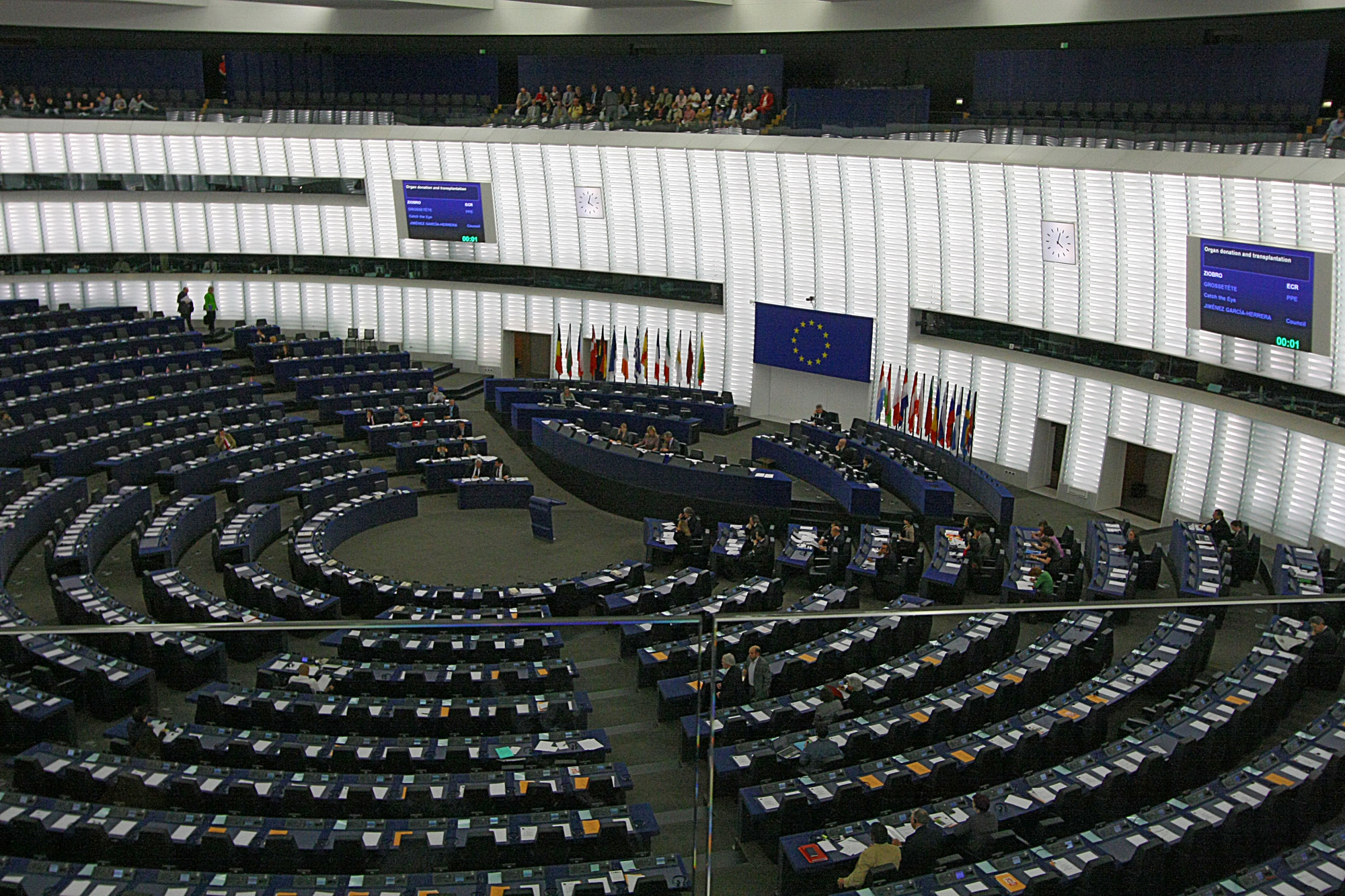
Stalemate? Making the Parliament work will be a huge challenge
Two key UK MEPs stood down last month, Sharon Bowles of the Lib Dems and Peter Skinner, a Labour MEP. Both had been ugly influential in the key detailed debates about the rules and regulations that really matter to the insurance industry and wider financial services sector. The huge influx of UKIP MEPs will be a disaster as we know they won’t engage in those detailed debates. A recent post-election blog by the Association of British Insurers’ European head, Carol Hall, illustrates the extent of these concerns.
Much will hang on the appointment of the new president of the European Commission which is why that has become such a sensitive issue right across Europe. It seems to me that the real danger of appointing an EU insider is that he or she will be incapable of engaging with the public mood of disquiet about the direction the EU has taken in recent years thus alienating a large number of MEPs (not just UKIP) so much that the Parliament won’t be effective and may even grind to a halt.
In Europe, as in the UK, there is alot to play for politically in the coming weeks.
This time next week we will be sifting through the results of the local elections in England and Wales and waiting for the weekend counting of the votes in the European Parliament elections. It will be a nervous time for many, not least the party leaders.
None of the three main party leaders is 100% secure in their job and certain to lead their party into the General Election next year. These elections will be the last serious threat any of them face to their leadership, barring some unforeseen scandal or political calamity.
The council elections taking place next week last took place on the day of the General Election in 2010 and include all the seats in the London Boroughs and some other major cities so they will be a very useful comparison for spotting trends and shifts in support over the last four years. The European Parliament elections, of course, are national and will be seen by most political analysts as the more important set of results.
So, who will be the more nervous about these elections? Cameron, Miliband or Clegg?
Miliband under threat
I think the most vulnerable of the three is Ed Miliband. If Labour is to pose a serious challenge to emerge as the largest party at Westminster next year it must make significant gains in the local elections and top the poll in the European elections. Anything short of that will be a major setback and the trends in the opinion polls over the last week suggest that is the uncomfortable scenario Labour is facing. Detailed analysis of recent polls shows Labour trailing badly in terms of seats at the next General Election.
Forecast General Election Result
Con : 316
Lab : 276
LD : 30
Con largest party, but short of a majority by 10
If this trend is confirmed next week, Ed Miliband will be a very nervous man indeed. The rumblings about his ineffective leadership have already started and will get louder if Labour does not top the European poll next week. If the predictions of some polls that Labour will fall to third place and the Tories top the poll become reality then his leadership will come under enormous pressure. The one thing that might save him in those circumstances is the lack of an alternative, both in terms of a policy narrative and someone to champion it.
Cameron is comfortable – for now
Cameron looks more confident by the day. His MPs are happier with his leadership and more optimistic about their own chances of winning next year than they have been for a long time. He could actually afford for the Tories to come a narrow third next week and not be too concerned. Obviously, the Tories big worry has been the rise of UKIP but I think they have seen enough over the last few weeks to give them hope that they can contain the UKIP threat, the result of the Newark by-election on 5 June notwithstanding. A big UKIP vote there will start alarms bells ringing: a win will see some Tories reach for the panic button.
Clegg is a survivor
The hardest one to call is Nick Clegg. One minute he looks to be the master of his party despite the the tough times they are facing, the next he looks to have the skids under him. He has the aura of a survivor about him. Whether that will be the best thing for the Lib Dems is an open question.
Many Lib Dems will take comfort from forecasts that shows them with 30 seats at the next General Election with the Tories short of an overall majority as that would probably mean a continuation of the present Coalition. Others in the party will be concerned that it rules out the possibility of any deal with Labour and would confirm the continued rightward drift of the Liberal Democrats. The real danger of another Coalition with the Tories will be of a permanent split in the party with the gradual absorption of pro-Tory Liberal Democrats into the Conservatives as happened from the 1930s to the 1950s. That analysis is for another day, however.
Most Lib Dems seem braced for a poor result in the European Parliament elections. The question is just how poor does it have to be to threaten Clegg’s leadership? A complete wipe-out in terms of MEPs would be a disaster and might set him on course for the exit door with Tim Farron the most likely successor. Anything better than that and he will probably hang on.
Bursting the UKIP bubble
The other big question posed by the recent polls is: has the UKIP bubble burst? There are signs that the greater scrutiny of its policies and people surrounding the seemingly undentable Nigel Farage is beginning to take its toll. But they have taken up issues that matter to large numbers of voters and the tricky challenge facing the other parties is how do they respond to that without alienating their own traditional supporters? Failure to top the poll next week will be a serious blow to UKIP and give everyone else a little breathing space to consider that challenge.
Social media for me has always been a means to an end and not and end in itself. One of those ends has been to get in touch with a wider range of people and develop broader relationships with them. The best way of doing this in my experience is to meet them. That’s just what Mike Wise (@MikeWise07) has created tomorrow’s London Insurance Tweet-up for.
I for one will be there (before rushing off to watch Leyton Orient in the 2nd leg of the League One play-offs!) as I passionately believe in the power of social media to bring people together in the real as well as the virtual world.
Social media is not just about sitting behind a screen
People often complain that social media diminishes human contact and will, one day, turn us all into recluses, trapped in front of a computer screen. I have never bought into this depressing, slightly Orwellian view which seems most frequently to come from people who do not use social media or, if they do, do not fully understand its potential.
The truth is quite the opposite.
Right from the infancy of social networking I have found it to be a great tool for fostering face-to-face interaction beyond the limiting medium of the computer screen. I have rekindled old friendships, found useful business contacts and gained introductions to local and national networks that I would probably never have discovered otherwise.
I come from a generation that was raised in a world where online networks were little more than a science fiction pipe dream. It was all too easy to lose contact with people as you moved from school, to university and into the world of work, something today’s young people often find difficult to understand. Through Friends Reunited initially and now with Facebook, I have found people I regretted losing touch with and thought I might never find. Many of these online reconnections have produced some memorable meetings over the last few years, usually involving not a little alcohol and plenty of reminiscing.
In my business life, Twitter and LinkedIn have produced a wealth of virtual connections that go far beyond the old, ‘real’ networks that I was in. On many occasions I have found myself sharing a cup of coffee with one of these new virtual connections as we realised our common interests went well beyond what 140 characters can embrace.
For a journalist, social media is a wonderful resource as there is a wealth of valuable content made readily available and it is easy to see who and what is making the news. It is also easy to see who has got something interesting to say but, for me, it is always important to find out more about the person or company behind the social media profile so leveraging the potential of social media to get myself in front of or on the phone to those people is a vital dynamic of this exciting new world.
Social networking isn’t (just) for the nerds
People are social beings and online networking can only satisfy so much of that need. Don’t let anyone tell you that the big social networkers are some sort of nerd, a breed apart that doesn’t value human contact because that simply isn’t true.
I have seen this proved locally in Brentwood, Essex where the local tweet-up is now a monthly event and draws a fascinating cross-section of local people.
I hope tomorrow’s #LondonInsTweetup14 succeeds in doing the same for the insurance market. Give it a go even if you are not too sure about Twitter but want to explore what social media could do for you and your business it will be worth popping in.
It takes place between 5pm and 7pm, Tuesday 13 May at Corney & Barrow in Lime Street.
The European Parliament elections next month – and the council elections that will run alongside them – are the last big test of public opinion ahead of the 2015 General Election. There is alot at stake, not least for the leaders of the three main parties.
The opinion polls have been telling a similar story for several months when it comes to the relative standing of Labour and the Tories with a modest Labour lead never turning into a decisive margin as it is hauled back by periods of Conservative recovery. Neither party seems to have the ability to build any real momentum when the polls start swinging their way. It seems that the public remains unconvinced by Ed Miliband, Ed Balls and Labour’s still threadbare economic policies. Certainly in terms of personal ratings Cameron and Osborne are a very long way ahead of the Labour pair. This will become an increasingly heavy millstone for Labour as the election approaches and without a decisive lead over the Tories in the Euros Miliband could find his leadership under pressure.
For Cameron the challenge at this stage is to keep the Tories in touch with Labour and avoid being mugged too badly by UKIP in May. He isn’t doing as well as he should be on either count at the moment. His Chancellor delivered a popular Budget which momentarily boosted the Tories standing but then the Prime Minister went and blew that with his mishandling of the Maria Miller expenses row. A year out from the last General Election, George Osborne was viewed as a liability by many Tories: now he is being seen as a major asset and the frontrunner to succeed Cameron, especially while Boris Johnson remains outside the House of Commons. Cameron’s leadership isn’t under any immediate serious threat but it wouldn’t take much for the simmering discontent among traditional Tories to rise to the surface. That isn’t likely to happen this side of the General Election but it isn’t impossible if the Euro results look too bad.
Clegg is in serious trouble
The Liberal Democrats and Nick Clegg look to be in serious trouble. The most recent opinion poll for the Euros put them on 6%, level with the Greens and a long way behind UKIP. That would mean wipeout in terms of MEPs and a serious culling of the important Liberal Democrat local government ranks. The messages coming from the Clegg camp this week that he wants still to be leading the party into the 2020 General Election look very panicky and show just how vulnerable his leadership is. He is the most likely leader to find his services being dispensed with ahead of the autumn party conferences.
Clegg is having a terrible time and his desperate bid to rekindle the excitement of the leadership debates in 2010 by challenging Nigel Farage over Europe badly backfired. He needs a good European result but looks to be heading for a disaster.
If Clegg goes – or manages to fight off a determined but bitter bid to oust him – the possibility of a split in the Lib Dems cannot be ruled out with some seeking an electoral deal with the Tories in order to help them keep Labour out and cushion them against the UKIP threat.
Which brings us to the joker in the pack: UKIP and Farage. They look set to increase the number of European Parliament sets they hold unless the current sniff of an expenses scandal surrounding Farage turns into something alot more serious. Somehow he seems to get away with playing the anti-politics card despite being a consumate and long-time political operator. Perhaps it will catch up with him one day but until it does he will remain a thorn in the Tories’ side.
In terms of the General Election they will not win more than one or two seats (and even that is unlikely given their chaotic organisation) and so will have very little influence at Westminster but the number of votes they will syphon off from the Tories could cost Cameron a crucial 20-25 seats and with them any chance of forming the next government. Could some of those seats be protected with an electoral deal with the Lib Dems? Probably. Will they? Unlikely.
I have said before that I think it is possible that at least one of the current three party leaders will not be at the helm of their party in 2015. As the months tick away, last minute changes become much riskier and therefore less appealing to MPs defending their seats. But if enough of them take the view that they will lose their seats, their ministerial jobs (either present or future) anyway then that risk becomes one worth taking. Where are those odds most likely to play out and sink a leader? The Liberal Democrats and Clegg.
“George Osborne unleashes fury at FCA over insurance probe leak” screamed a headline in yesterday’s Financial Times. The intervention of the Treasury in the row over the Financial Conduct Authority’s bungled announcement of its review of closed fund insurance policies is an ominous sign.
I wrote yesterday morning (before I got round to the FT) that I thought FCA boss Martin Wheatley could ride out the calls for his resignation over this, especially as part of the reason for sell-off was the very plausible fear of investors that huge numbers of policies might have been miss-sold and billions more in compensation payments would follow. The industry has only itself to blame for such vulnerability.
The intervention of the Chancellor of the Exchequer is such forceful terms is a serious blow to the FCA and Mr Wheatley. Clearly, there is little love in the Treasury for the FCA.
I did wonder last week about the wisdom of the FCA pouring cold water on the Chancellor’s pensions reforms with its warning about potential “consumer detriment”. This seemed to me an unwise comment to make in public about a reform the Chancellor himself had launched and which has proved politically popular. Regulators do not exist in a bubble, although they sometime behave as if they do. Antagonising a Chancellor is rarely a good move.

Wheatley: can he survive?
Before all those insurers, advisers and others all too quick to moan about the regulator start to get too excited they should pause to consider the consequences if Mr Wheatley – and other senior members of his team – depart suddenly. Another hiatus, another upheaval, another change in regulatory direction. We’ve seen far too many of these before and they rarely benefit the regulated or their customers. They almost always result in higher costs. In short, beware of what you wish for just in case you get it.
Yesterday I thought Mr Wheatley might ride out the storm. Now, I think he has a less than 50/50 chance of surviving. He needs to savvy up on the political front very quickly if he is to survive.
The Financial Conduct Authority is one of the new kids on the regulatory block, trying hard to establish its credibility among the burnt-out wrecks of its many predecessors. There is no doubt that it could do without the controversy that has engulfed it over its proposed review of closed book insurance policies. But are the calls for the resignation of its chief executive, Martin Wheatley, justified?
Wheatley: should he go?
The announcement was certainly handled badly through a mixture of leaks and partial announcements before someone realised that a more fulsome explanation of what the FCA’s intentions are was urgently required, especially dampening down the fears of retrospective action on costs, exit charges and penalty clauses. This raised the spectre of billions of pounds being paid out in compensation and sent insurance company share prices tumbling with ratings agencies muttering darkly about downgrades. Insurance company directors were not pleased.
Immediately the hysteria button was pressed the calls for the top man to go started to surface: for me, the key word is hysteria.
The FCA has held up its hands and apologised for the mishandled announcement and has set-up an inquiry into how it happened. This is highly commendable, although I am not sure what an inquiry is going to tell us beyond the sort of “Must try harder” comment that frequently populated my school reports. But this is 2014 and you have to have an inquiry. You don’t have to have a resignation.
The botched announcement became such a major problem because the insurance industry is currently vulnerable. First, because the long-term market is still reeling from George Osborne’s unexpected revolution over pensions which threatens to decimate the traditional annuity market. Second, because the 20 years of self-inflicted wounds over endowments, personal pensions and payment protection insurance – to name just the major scandals – makes any suggestion of further regulatory scrutiny of its past something to fear.
Against this background it is hardly surprising that investors are getting nervous about insurance companies. Certainly, the FCA needs to be sensitive to this but the insurance industry has to accept its share of the blame for this state of affairs too. Turning its anger on the regulator seems to be an attempt to shift the blame for the weak stock market sentiment towards insurers. An industry that was already working hard to innovate to provide better retirement solutions and which didn’t have such an appalling record of miss-selling would have been able to cope with the shocks of the last two weeks.
It is not Martin Wheatley’s fault it is in such a vulnerable state and he shouldn’t entertain thoughts of resignation. He has done a good job since the FCA was launched and has worked hard and intelligently to set a fresh, more appropriate regulatory agenda.
The only serious caveat is if the inquiry throws up evidence of some maliciously conceived plot to deliberately damage insurers – the regulatory equivalent of kicking a man while he is down. Personally, I would be staggered if this was the case as it would do untold damage to the FCA and the new generation of regulation.
The FCA and its chief executive have rightly taken the view that it has to be business as usual and have confidently stepped out today to set out their stall for regulating payday lenders.
You’re a senior manager, respected departmental head, great team leader and you’ve been asked to make a presentation to the board – either your own company’s or a client’s. What could possibly go wrong?
You may be good on your feet, a confident presenter and you might have a great track record in sales or marketing, so you face up to the challenge of presenting your latest business plans, product or strategy ideas to the board with a justifiable degree of confidence. That’s fine. So why do so many people who fit that description come a cropper when in front of a board of directors?
There are a few common explanations in my experience of observing many such presentations over the years.
How well do you know your board?
The first is forgetting one of the principal pre-requisites for successful presentations: know your audience.
Boards are a mixture of executive directors – who you may think you know – and non-executives – who maybe little more than a name in an annual report to you. People fail in boardroom presentations because they actually under-estimate both groups.
Many people assume that the directors they see around the business most days and who they might meet with from time-to-time are a known quantity but they can behave very differently in the boardroom where they are making the big decisions about the future of the business. I have been alarmed at the frequency with which senior managers under-estimate the detailed knowledge the chief executive and his or her colleagues will have of all aspects of the business, its products and departments, especially the financials. I have often coached people before such presentations and had to point out that the figures they believe should be the meat of their presentation will already be very familiar to the board and that they need to go into the analysis and trends behind those figures. “But the CEO won’t be familiar with that detail about my department”, people argue. Oh yes, the CEO will and that is why they are the CEO.
The non-execs are not just there for decoration or to add an aura of experience and respectability to a board: they are there to do a job and do it they will.

How did it all go so wrong?
You need to check out the background, experience and skill sets of the non-execs and be prepared to be grilled by them. Remember, these will be people who reached the very top in their careers, many of them having been CEOs, so they will know their way around balance sheets, strategy plans, product development and just about anything else you might care to throw at them. Look at their areas of expertise and experience and try to pre-empt some of their questions in your presentations: this will help keep their attention and show you have done your homework.
Second, be absolutely clear and focused on your objective. This will almost certainly have been given to you when you were issued with your summons to the boardroom. Stick to it. If it is a report-based presentation focus on the key facts – good and bad. If you are presenting a new development, a change strategy or your company’s services, focus on measureable objectives, costs and be clear about what you are asking the board to back, especially if it requires investment or underwriting losses during a launch phase.
Third, if you have bad news don’t try to hide it and never become defensive. A board of directors will home in on the bad news like a hawk swooping on a hapless mouse in a field. Get it out on the table early, acknowledge that it is there, speak about “challenges” and say you want to put it into context first before turning to the difficult task of analysing those problems. If the bad news is in your department, take responsibility for it. Do not blame junior colleagues who are not there to defend themselves. If it is a supplier who has let you down be clear on the lessons you have learned. Ducking responsibility in the boardroom tends to be career limiting.
Think carefully about the structure of your presentation. Boards are by their nature impatient beasts, so starting with your conclusions often works well. All the way through remember Keep It Simple & Short – KISS – without being superficial or resorting to vague generalisations.
Check beforehand in detail how they like to be presented to, what they expect to have in front of them, how much – if any – PowerPoint they will tolerate. And stick to the time you have been allocated, allowing plenty of time for questions, for which you should come prepared with detailed answers for everything you think they could ask about. You won’t need it all but it will be the one piece of information that you didn’t take with you that will be your undoing.
In most boardrooms, the presenter will be seated or stood opposite the chair. Do not fall into the trap of addressing all your remarks in that direction: work the whole table. If you have a point that you believe will interest one of the directors, make sure you address it to them.
Try to save a brief summary – I mean brief – for after the Q&A so you leave behind a positive impression of being in control together with a succinct summary of your key message.
Want to improve your presentation skills?
Check out my courses that can help you with you presentation and public speaking challenges – Courses
I have said right from the start of the debate about the new flood insurance scheme that the exclusions from Flood Re would come back to haunt it. There are too many, they have been poorly explained and are thin on justification. The barrage of criticism that is now threatening to overwhelm Flood Re has proved me right.
 Higher value households, houses built after 2009, mixed residential and business premises, leaseholders, some in the private rented sector and small businesses are exclusions that are now subject to intense scrutiny which, according to newspaper reports, is causing 10 Downing Street some anxiety. Let’s have a look at some of the issues
• Properties in Council Tax bands H and I: an exclusion driven by DEFRA in order to make Flood Re progressive but is social engineering a proper role for insurance? Also, there is an element of unfairness in asking people to pay the cross-subsidy to fund Flood Re without having access to the cover it offers.
• Houses built after 2009: this is derived from the date when the old Statement of Principles was renewed and takes no account of whether properties are built on flood plains or in low risk areas or are flood resilient. It feels very arbitrary and unfair on people who bought those properties in good faith and now might not be able to get flood insurance. Better to start with a clean sheet and use up-to-date flood maps to identify the most at risk new builds. This would sit well alongside the new powers being talked of to prevent inappropriate development on flood plains.
• Mixed use properties: pubs, B&Bs and so on where people live on the premises should be included because they are not like other small businesses that are on short leases and can move relatively easily.
• Small businesses: these constantly come up in the media coverage but, so far, I haven’t seen anyone adequately answer the question of who will pay for them to be included or how you will deal with the obvious anomalies their inclusion will throw up (see below)
• Leasehold properties and the private rented sector: these are genuinely tricky areas as there will be vulnerable households in those very diverse sectors and some proper analysis is needed of the extent of this problem. I am pretty certain that the huge numbers of properties likely to be affected put out by the British Property Federation are a huge over-estimate, not least because they include blocks of flats which, by definition, contain many households on higher floors and therefore not vulnerable (landlords should be responsible for insuring and protecting common areas).
Fine to include small businesses but who will pay?
So, back to small businesses. In principle, there is no reason why a government-backed insurance scheme shouldn’t be extended to cover them. However, it is government-backed, not government funded so the question of who pays must be answered by those pressing this case: they seem to be silent when pressed on this point. They need to provide some answers if they are to escape the obvious accusation of wanting something for nothing.
Flood Re will be funded through a cross-subsidy with low risk households paying around 2.3% (£10.50 on average) to build up a fund to enable subsidised cover to be made available to high risk households. I can’t see any case for increasing that cross-subsidy on households to provide cover to business premises in high risk areas. Therefore, we need to look at the options for businesses cross-subsidising each other.
This could be done in one of two ways.
All businesses could be asked to pay a levy to cross-subsidise cover for at risk small businesses. This would spread the burden but would mean that businesses above the threshold definition of ‘”small” would not have access to cover they were subsidising, rather like the band H houses. At the boundaries of that threshold there would be adjacent businesses occupying identical sized units but with different turnovers, one with access to Flood Re, the other denied access – an awkward anomaly.
The alternative is only to ask firms that fall within the definition of “small” to pay the cross-subsidy. I can’t see this being popular among firms that are always complaining about extra costs, administrative burdens and what they see as unnecessary taxes.
These are not issues that are going to go away now they have been thrown into sharp relief by the appalling weather of the last three months. Answers and clarity are urgently required.
It had to happen: the insurance industry is now in the frame for its response to the floods. The calm of a couple of weeks ago was never going to last once the floods spread from a couple of hundred properties on the Somerset Levels to a few thousand up-market homes in the stockbroker belt of Surrey and Berkshire.
The insurance companies who congratulated themselves two years ago on being invited to meet David Cameron to discuss troubles in the motor insurance market, especially the epidemic of fraudulent whiplash claims, and came out with most of their agenda agreed, may not be feeling so upbeat as they wander along Downing Street today. It is pay back time.
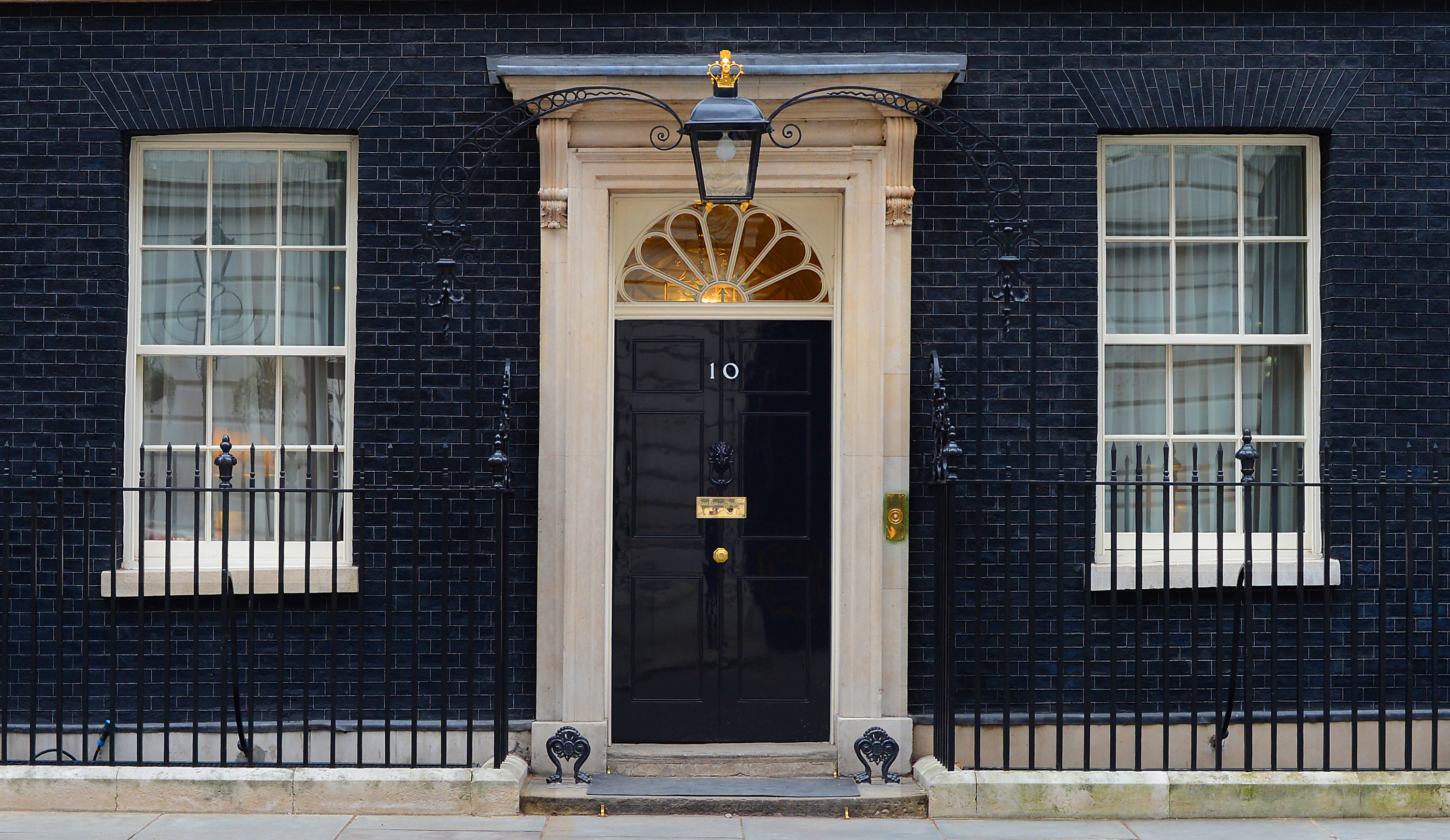
Insurers won’t find such a warm welcome today
The major insurers invited to No 10 will plead – probably with some justification – that they are doing their best to respond to the widespread flooding. Unfortunately, it appears that some of the fringe players in the UK market are not doing very well judging by the coverage on Radio 4’s Today programme this morning – Floods victim Jeanette Shipp describes her insurance claim as “a nightmare”.
She recounts an appalling story of failure by her insurer – who she names as Spanish company Ocaso – the loss adjusters, builders and restoration company. It is a model example of how not to respond to a flood insurance claim and will undoubtedly be shoved in front of the insurers at Downing Street today. Ocaso are members of the Association of British Insurers so the UK industry can’t dismiss them as an irrelevant foreign firm as much as they may plead Ocaso’s response is not representative.
The challenge now is to make sure that no-one else it let down like Jeanette Shipp.
This really shouldn’t be beyond insurers, loss adjusters and their supply chains because the number of properties flooded this time round is no-where near the numbers in previous major flooding incidents. There should be no sob stories about pressures on claims handling capacity and expertise. If there are problems of this nature then the insurance industry will have to take a long, hard look at how much it invests in this crucial area – the ultimate test of whether it can deliver the promises it makes.
That’s today. What about tomorrow?
The other big issue on the Prime Minister’s agenda will be the aftermath, the future and Flood Re in particular and here the insurance industry should have a slightly better hand.
The focus will be on the many exclusions from Flood Re – always too many in my judgement.
First, is properties in Council Tax band H (and I in Wales). According to the ABI’s Aidan Kerr speaking at last week’s meeting of the All Party Parliamentary Group on Insurance & Financial Services this exclusion was insisted upon by DEFRA ministers who wanted the scheme to be “progressive”. It always seemed strange that a Tory government wanted to exclude some of its most loyal supporters from Flood Re and with all those high value properties along the Thames Valley flooded it probably seems rather strange to them as well. “How far should insurance be used as a tool of social engineering?” might make an interesting exam question for the CII in the future but now is not the time to experiment. The insurers will do well to press Cameron to drop the government’s objection to Flood Re covering all domestic property.

The exclusions from Flood Re must be reduced
Second, is business premises, a rather more complex area. There is a very good case for including all business premises with residential accommodation in the scheme as they can’t be moved easily and are harder to insure. Open it up to other businesses and you will have the impossible job of knowing where to draw the line. People speak emotively about “small businesses” but what, exactly, is a small business and when would its premises be eligible for subsidised insurance? And who would subsidise it? Big businesses or other small businesses in low flood risk areas? Flood Re works on a cross-subsidy from low-risk domestic properties to high risk properties but you can’t ask homeowners to subsides businesses. I don’t think the small business lobby have thought this one through.
Third, is leasehold properties and the private rented sector. This has forced its way onto the political agenda thanks to lobbying by the British Property Federation and the Council of Mortgage Lenders and definitely needs addressing, although the numbers likely to be affected has probably been overstated in order to get attention.
Finally, is the exclusion of properties built since 2009 which still looks rather draconian and arbitrary although it ensures that the issue of building on flood plains remains high on the agenda. There is far too much evidence that local authorities have turned a blind eye to objections to planning applications for building domestic and business properties on flood plains: this has to stop. The 2009 cut-off will be a good negotiating card for the insurance industry to play to force the government’s hand on this issue.
It would be interesting to be a fly on the wall in Downing Street later as I expect we will hear conflicting versions of what was discussed.
You may have thought that two months of substantially above average rainfall, extensive flooding across the south and south-west of the country and flood stories leading the news bulletins day-after-day would have brought with them a deluge of headlines about insurance claims going wrong. Instead, there is next to nothing being said about the immediate response of the insurance industry. Why?
There are several reasons for this and plenty of lessons for both government and the insurance industry as they return to the negotiating table to hammer out a viable future scheme for ensuring that flood-prone properties have access to affordable insurance.

The Somerset Levels in full flood. (from http://www.dillington.com/blog)
So far, despite the awful pictures of flooding on our television screens every night, the total cost of the floods to the insurance industry is relatively modest in historic terms. Last week, the Association of British Insurers estimated the value of the claims so far as £426m, way below the £2.5bn incurred in 2007, the £1bn plus in 2000 or even the £700m in Easter 1998 (none of those figures are adjusted for inflation either). This reflects the small number of properties badly affected, mainly because the new flood defences built over the last decade have worked. The priority in building the defences has been to protect large numbers of vulnerable properties in towns and built-up areas. Clearly, that has worked despite the excessive and, dare one say, misguided, criticism currently being hurled at the Environment Agency and the government. It is obviously not very easy for politicians to stand up and say that small villages in flood plains haven’t been a priority, and are unlikely to be.
This is the first lesson for the insurance industry to take on board. The flood defence spending programme is already bearing fruit. The flood risk in many vulnerable parts of the country has been substantially reduced. This should prompt insurers to mellow over some of the exclusions in the current Flood Re proposals which threaten to derail an otherwise intelligent solution to the challenge of making flood insurance available to everyone.
The other reason why we haven’t seen too many critical stories about the insurance industry’s response to the current floods is that, in the worst affected areas, it has been unable to respond. There is very little an insurance company can do beyond offering alternative accommodation (which most of those affected seem not to want) while properties are still flooded. In addition, in the Somerset Levels, it is still impossible to get access to the worst affected villages. This is a glimpse of the other problem I have highlighted with the government’s commitment to Flood Re – its lack of honesty over the inability of our infrastructure to cope with the one-in-one-hundred year and worse incidents.
If insurers cannot get access to affected areas then they cannot start putting in place measures that might reduce the final cost of claims. The Department for the Environment, Food and Rural Affairs (DEFRA) must acknowledge this in its approach to the Flood Re negotiations. It cannot leave the insurance industry exposed to the full cost of major incidents when it cannot guarantee that the infrastructure – not just roads but power and telecommunications too – will be capable of supporting a prompt response by insurers.
No doubt these, and other issues surrounding the Flood Re plans – such as how to stop the dead hand of the Treasury grabbing any surplus it accumulates – will feature in the debate at the All Party Parliamentary Group on Insurance & Financial Services next week.


